

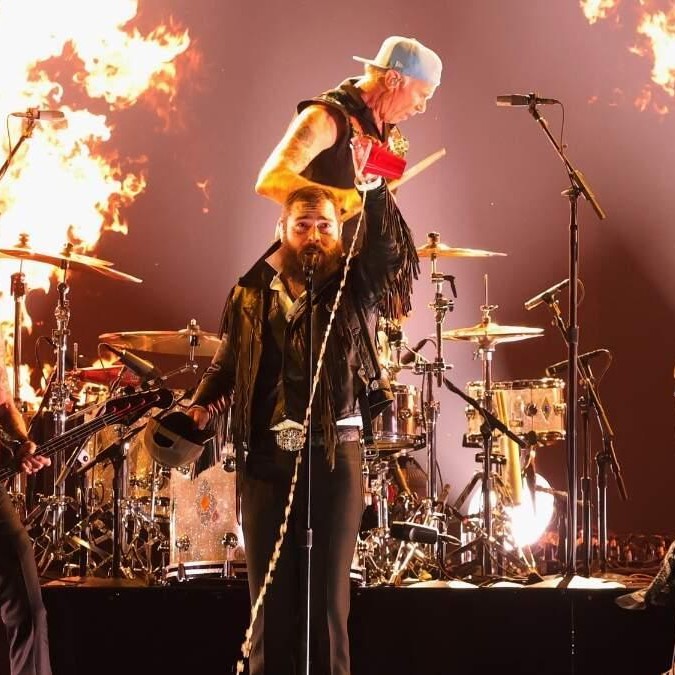
For a few charged minutes at the 2026 Grammys, the arena stopped feeling like an awards show and turned into a cathedral of rock. Post Malone stepped into the spotlight, guitars screamed to life, and the spirit of Ozzy Osbourne flooded the room.
The Prince of Darkness may be gone, but on music’s glitziest night, he was impossible to ignore.
‘Prince Of Darkness’ Back in the Spotlight
The tribute unfolded as Post Malone led a powerhouse band in honor of Ozzy, the metal icon who changed rock history and then crashed reality TV in unforgettable fashion. This was not a quiet, candlelit remembrance. It was loud, electric, and unapologetically Ozzy.
Ozzy’s family watched it all from the audience. Cameras caught them with tears on their cheeks as the performance roared around them, a surreal collision of grief and glory under glittering stage lights.
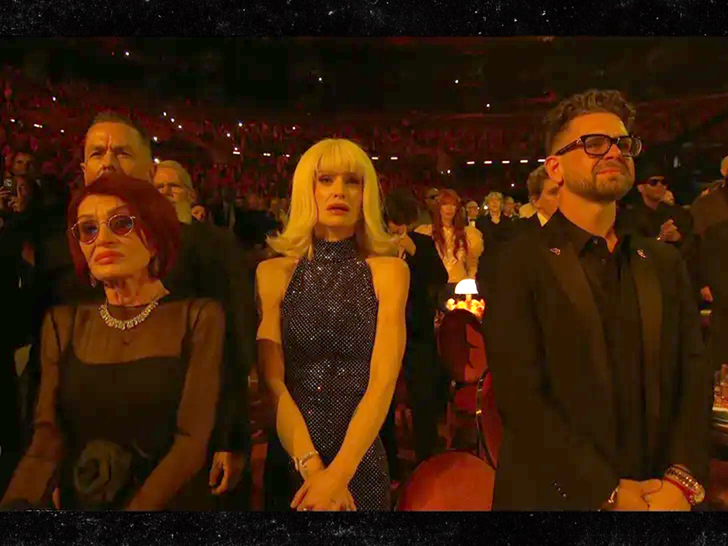
Sharon Osbourne, Kelly Osbourne, and Jack Osbourne have lived more of Ozzy’s chaos and genius than anyone. On this night, they were not TV personalities or rock royalty. They were a family watching the world salute the man they had just lost.
At center stage, Post Malone carried the weight of that moment. The rapper turned rock star fan favorite has built a career blending genres, but this performance asked him to channel something deeper. It asked him to help say goodbye.
‘Take What You Want’ to ‘Patient Number 9’
Post and Ozzy were never just casual collaborators. Their 2019 track “Take What You Want” felt like a time warp in the best way. A modern chart dominator pairing up with the wild-eyed godfather of heavy metal, trading pain and power over a stormy beat.
That song did more than chart. It introduced a new generation of listeners to Ozzy’s voice, cracked and haunted yet still commanding. It proved that even as trends shifted and platforms changed, there was still room for that unmistakable wail.
For the Grammy tribute, Post was joined by two musicians with their own deep Ozzy ties. Slash, the top-hatted guitar legend of Guns N’ Roses, has long cited Ozzy’s band Black Sabbath as a major influence on his sound. The sludge, the riffs, the menace, all of it helped shape his musical DNA.
On drums, Red Hot Chili Peppers mainstay Chad Smith brought a more intimate connection. He played on Ozzy’s final album, “Patient Number 9,” a record that doubled as both a creative surge and a farewell of sorts. Smith did not just admire Ozzy from afar; he was in the room, helping him build that last chapter.
So when the three of them locked in on the Grammy stage, it was more than a convenient superstar mash-up. It was a living map of Ozzy’s reach, stretching from classic heavy metal to Sunset Strip rock to tattooed, face-inked chart king.
The 2026 Grammys ceremony featured a tribute to Ozzy Osbourne, who passed away last year at the age of 76.
Post Malone, Duff McKagan, Slash, Chad Smith, and Andrew Watt teamed up for a faithful rendition of Black Sabbath’s “War Pigs.” https://t.co/Kxd1xpWNIz pic.twitter.com/xEhoaCSDVG
— Yahoo Entertainment (@YahooEnt) February 2, 2026
Ozzy’s Final Curtain Call
By the time this tribute aired, the world had already spent months grieving Ozzy Osbourne. The rock icon died of a heart attack in July 2025 at the age of 76. In a statement to TMZ, the Osbournes said he had been “surrounded by love” when he made his transition.
For fans, that phrase hit hard. Surrounded by love. This was the man who once bit the head off a bat, who staggered through onstage disasters and offstage scandals, who let cameras into his chaotic home on “The Osbournes” and turned dysfunction into must-see TV. Yet in the end, the image that lingered was quiet and almost gentle.
Ozzy had been open about his health struggles, including a Parkinson’s diagnosis revealed in 2020. Tours were postponed, then reshaped, then finally pulled. Every update carried the same question between the lines. How much longer could the wildest man in metal keep going?
When the answer finally came, it left a black hole in rock culture. Fans painted murals. Radio stations dedicated weekends to deep cuts and live recordings. Social feeds flooded with grainy concert clips, shaky phone videos, and heartfelt tributes from bands who had built entire careers on riffs Ozzy helped invent.
The Grammys have not always been kind to heavy music, but they could not ignore this. A figure who helped define an entire genre, a man whose onstage darkness hid a surprising vulnerability, had left the stage for good. A tribute was not optional. It was necessary.
From Metal Outlaw to Mainstream Legend
What made this performance so potent was the story that hung behind every chord. Ozzy Osbourne began as the ultimate outsider, fronting Black Sabbath in smoky clubs and on sweaty festival stages, terrifying parents and thrilling kids with songs that sounded like horror movies turned into sound.
Over the decades, he became something else, almost accidentally. A familiar face on MTV through “The Osbournes.” A solo star with radio staples and power ballads that turned mosh pit regulars into slow dancing couples. A meme long before memes existed, stumbling through his garden and mumbling punch lines that somehow made him even more beloved.
By the time Post Malone invited him onto “Take What You Want,” Ozzy was not just a metal godfather. He was a cultural touchstone. Your cool uncle had a Black Sabbath vinyl in the attic. Your older cousin wore an Ozzy tour shirt to every family barbecue. Even if you never owned one of his albums, you knew the voice, the look, the myth.
That is what the Grammy tribute tapped into. The performance was not only for the fans who saw Black Sabbath in their prime. It was also for the kids who discovered Ozzy in a Post Malone playlist, or watched old clips of “The Osbournes” on their phones and fell in love with this strange, soft-hearted madman who yelled at his dogs and forgot where he put everything.
Why This Grammy Moment Hit So Hard
On paper, it was simple. A star of today honors a legend of yesterday with help from two rock veterans. In reality, the moment carried a different weight.
Post Malone, covered in tattoos and known for emotional, genre-bending hits, stood in for a new generation that refuses to choose between hip hop playlists and classic rock playlists. His presence said loudly what countless fans feel quietly. You can love 808s and guitar solos at the same time, and Ozzy belongs in both worlds.
Slash’s involvement linked Ozzy to the wild excess of late twentieth-century rock, when bandanas, leather, and towering amps ruled arenas. Chad Smith’s presence traced Ozzy’s impact through alternative rock and modern studio sessions, all the way to “Patient Number 9,” his final recorded statement.
And then there was the Osbourne family in the crowd. Their tears, caught on camera, cut through the spectacle. For viewers at home, it was a reminder that behind every stadium anthem and platinum plaque is a person with kids, a spouse, a house full of memories, and inside jokes that never make it into the documentary.
In that collision of public worship and private loss, the tribute did something rare. It made the Grammys feel intimate.
The Echo That Refuses to Fade
As the final notes rang out and the stage lights shifted to the next polished segment, one truth lingered. This was not the end of Ozzy Osbourne’s story. It was another chapter in a legend that refuses to quiet down.
Every time a young artist drags a little more distortion into a pop track, every time a festival crowd screams along to a riff that sounds slightly dangerous, Ozzy is there in the echoes.
Post Malone, Slash, and Chad Smith did not just honor a lost icon at the Grammys. They reminded everyone watching that the Prince of Darkness never really leaves. He just waits for the volume to be turned up again.