Get The Latest Celebrity Gossip to your email daily. Sign Up Free For InsideFame.
Prince Harry Confronts Trump Over NATO War Dead Slur
Jan 24, 2026
0
Share:
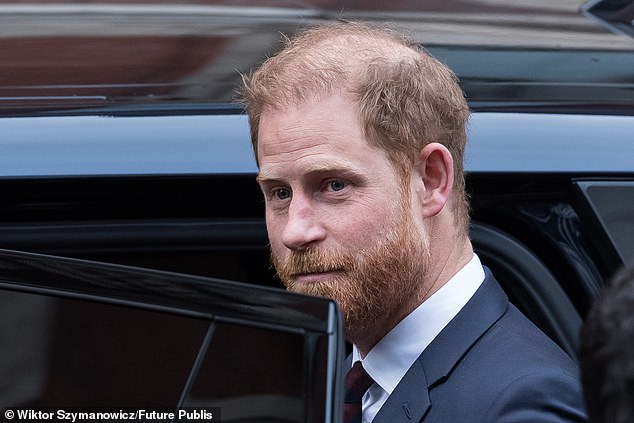
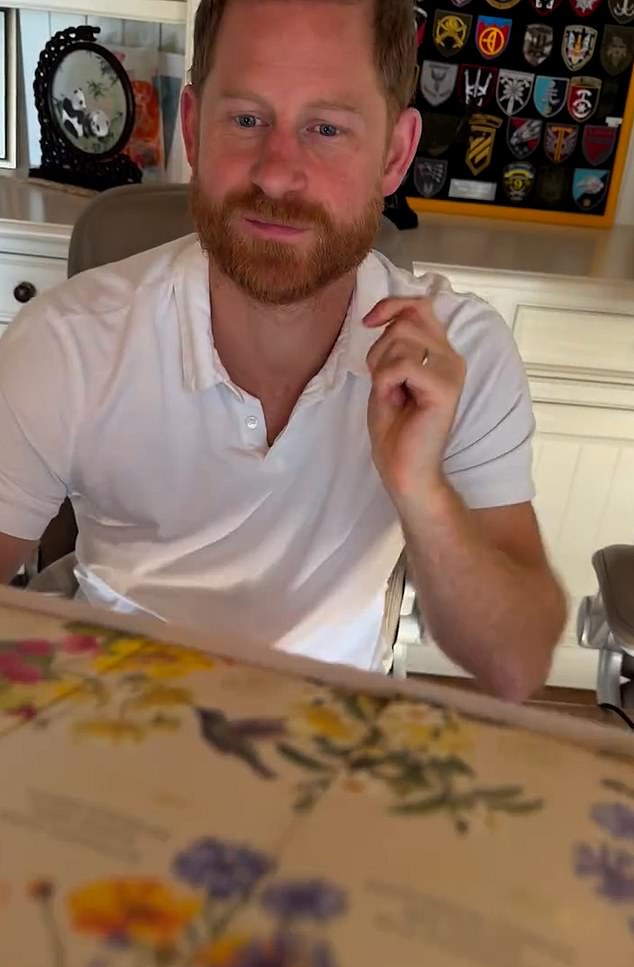
When a former commander in chief suggested that British and other NATO troops in Afghanistan stayed safely away from the front, Prince Harry did not let it slide. The royal who flew combat missions over Helmand Province stepped into the political fire, insisting that the men and women who never came home deserve one thing from world leaders: respect.
In a rare direct challenge to Donald Trump, the Duke of Sussex spoke up after the US President claimed allied forces kept “a little off the front lines” during the Afghan war. For a prince whose identity is tied to his military service, the remarks cut straight into an old wound.
Why Harry Is Taking This So Personally
Prince Harry has spent years framing his public life around veterans and their families. He served in Afghanistan, helped launch the Invictus Games, and has repeatedly described wounded soldiers as his “mates” and his mission.
So when Trump implied that NATO allies had essentially watched from the sidelines, Harry pushed back. According to the DailyMailUS report, he said that the “sacrifices” of British soldiers who served and died in Afghanistan “deserve to be spoken about truthfully and with respect.”
The numbers behind that statement are stark. Some 457 British service personnel were killed in the conflict in Afghanistan while fighting alongside the United States, and many more returned home severely wounded. Those losses are not abstract for Harry. They are faces, funerals and families he has met in hospital wards and memorial services.
By using the word “respect,” Harry was not just defending national pride. He was defending the memory of friends and comrades in a war he actually saw from the cockpit of an Apache helicopter.
Meghan, the Duchess of Sussex has posted a number of pictures of Prince Harry serving in Afghanistan in pointed criticism of Donald Trump’s insult that British troops hid from danger.
These two have said and done more in honouring British Armed forces than any other Royal. pic.twitter.com/lIrot0UR9e
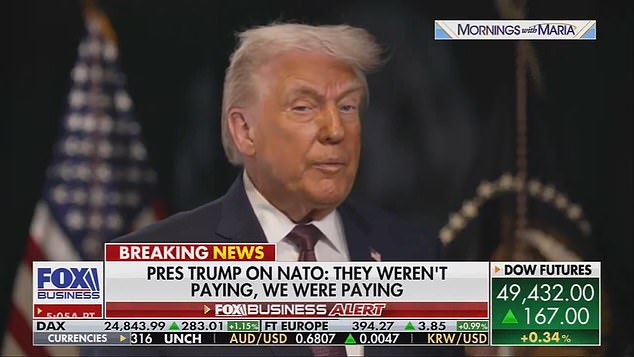
The clash began with a Fox News interview in which Trump was asked about NATO and the war in Afghanistan. He downplayed the alliance’s role, suggesting that the United States had carried most of the burden while its allies hung back.
“We’ve never needed them … we have never really asked anything of them,” Trump told Fox. He acknowledged that allied nations did send troops to Afghanistan, adding: “They’ll say they sent some troops to Afghanistan, and they did, they stayed a little back, a little off the frontlines.”
For families who lost loved ones on those front lines, the implication was brutal. To many, it sounded as if their sons and daughters had been written out of history in a single sentence.
Trump’s comments did not land in a vacuum. According to the report, they came after a stretch in which he had already clashed with NATO allies, including the United Kingdom, over their refusal to agree to his demand that Greenland be brought under US control. Then, speaking in Davos, he again questioned whether the 32-member alliance would truly stand by America if the United States were ever attacked, stating that he knew NATO well and doubted they would be there.
From Downing Street To A Veteran’s Mother
Harry was not the only prominent figure to react. In London, British Prime Minister Sir Keir Starmer described Trump’s words as a direct insult to the fallen and their families.
Starmer said in Downing Street that President Trump’s remarks are “insulting and frankly appalling,” adding that he was not surprised they had caused hurt to the families of those killed or injured. The political language was tight and controlled, but the anger underneath it was unmistakable.
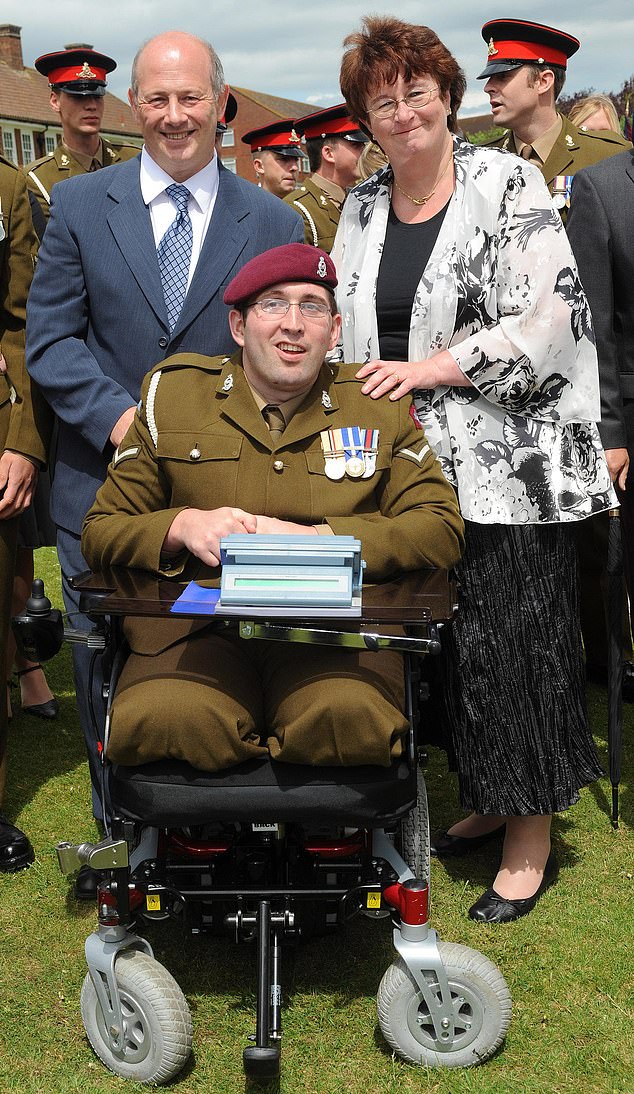
For some, the criticism was deeply personal. Diane Dernie, whose son Ben Parkinson is regarded as the most severely injured British soldier to survive in Afghanistan, said she was “stunned as to how anyone could say such a thing.” Her son’s injuries have long symbolized the human cost of the war for many in Britain. To her, Trump’s description of NATO troops staying back from danger did not fit the reality of what her family had lived through.
In response to comments from Dernie, Trump said that he had made his position clear and would apologise if he had misspoken. It was a conditional apology, at best, which did little to cool the uproar among NATO leaders and veterans.
NATO’s Cold Math On Sacrifice
Then came one of the most pointed corrections of all. After Trump questioned whether the alliance would truly defend the United States, NATO chief Mark Rutte publicly pushed back, reminding him of what European soldiers had already given on America’s behalf.
“For every two Americans who paid the ultimate price, there was one soldier from another NATO country who did not come home to his family,” Rutte said. It was a blunt recitation of the numbers behind the Afghan mission, and a quiet rebuke to the suggestion that allies had stayed safely out of harm’s way.
Rutte went even further, spelling out NATO’s core promise. “So, you can be assured that if ever the United States were under attack, your allies would be with you, there is an absolute guarantee,” he told Trump.
The message was clear. The Afghan war had been a joint effort, paid for not just in American blood but in British, Canadian, European and other allied lives. To question that record was to reopen the grief of hundreds of families across the alliance.
A Royal In The Middle Of A Global Argument
Into this storm stepped Prince Harry, a man who is both royal and veteran, both celebrity and former frontline soldier. His words carried a different kind of weight, because he has lived on both sides of the divide between palace ceremony and military reality.
By insisting that British troops who died in Afghanistan deserve “respect,” Harry was doing more than fact-checking a political claim. He was drawing a line around the memory of his fellow soldiers and saying that their bravery is not up for debate in any television interview, no matter how powerful the guest.
Harry’s intervention also highlights a broader shift. Once, senior royals were expected to remain almost entirely silent on politically charged questions. Since stepping back as a working royal, the Duke of Sussex has been increasingly willing to use his platform to talk about issues that touch veterans, mental health and global institutions.
In this case, his focus stayed narrow and emotional. It was not about policy or strategy in Afghanistan. It was about honour, burial grounds, and the basic promise that those who went to war at their country’s request will not be dismissed later as if their sacrifice barely counted.
Why This Clash Hits So Deep
For royal watchers, this confrontation between Prince Harry and Donald Trump is not just another political spat. It exposes how personal the legacy of the Afghan war remains, especially for those who served and for nations that still carry hundreds of war graves and thousands of wounded veterans.
Trump’s comments on NATO have always been provocative. This time, by touching the nerve of military sacrifice, they collided with a prince who knows what the inside of a helicopter over Helmand looks like and who has spent years listening to the stories of men and women who left limbs, health and peace of mind in Afghanistan.
In the end, the most powerful part of Harry’s response is its simplicity. He did not deliver a long speech. He did not weigh in on every aspect of NATO funding or US strategy. He chose one word and repeated it until it could not be ignored.
Respect. For the dead. For the wounded. For the allies who fought alongside America far from home. That is the line Prince Harry has drawn, and it is one that stretches far beyond royal protocol or partisan politics. It reaches straight into the memory of a war that is not as distant as some might wish to believe.