

The Image That Stopped Travelers At LAX
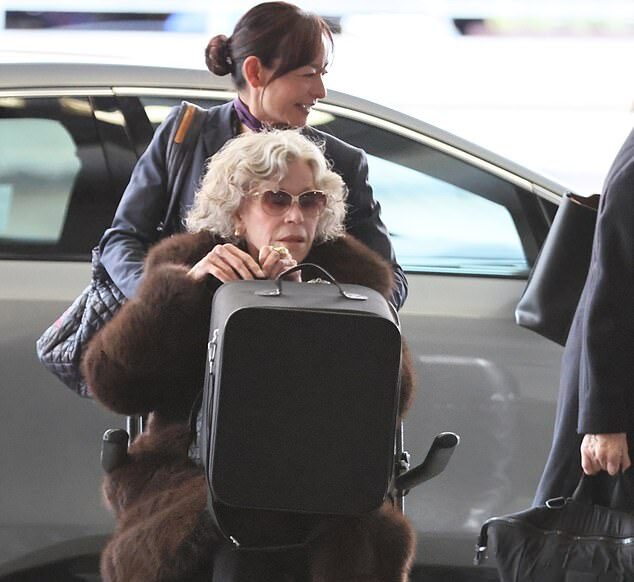
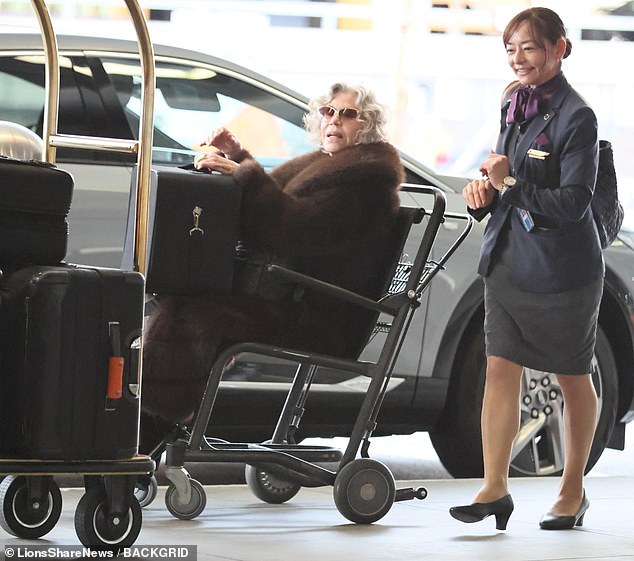
Jane Fonda did not stride through LAX the way we are used to seeing her. She rolled through it.
The Oscar-winning legend, 88, was photographed being pushed in a wheelchair through the busy Los Angeles airport, her departure turning into an instant flashbulb moment.
Wrapped in a plush fur coat and shielding her eyes behind gleaming bronze-tinted butterfly sunglasses, Fonda looked every inch the Hollywood grand dame. Yet there was something unmistakably fragile in the scene, as if the actress who has played warriors, activists and survivors for decades was suddenly carrying a different kind of weight.
Her airport appearance comes shortly after Fonda publicly revealed that she had seen Rob and Michele Reiner the night before they were killed, a double tragedy that has left their son Nick awaiting trial and Fonda, in her own words, “reeling with grief. Stunned.”
Glamour In Transit, Grief In The Details
For all the concern that a wheelchair sighting can spark, Fonda looked unapologetically glamorous.
Gold rings and earrings caught the light as she moved through the terminal. Her signature silver hair was styled in a soft, curly bob that could have stepped out of a 1950s studio portrait, a deliberate nod to the era that first made the Fonda name Hollywood royalty.
Her complexion, which she has openly admitted maintaining with the help of plastic surgery, glowed under subtle makeup. It was the kind of camera-ready face that has defined her for generations, from “Barbarella” to “Grace and Frankie.”
The wheelchair itself was handled by a woman who appeared to be part of the airline staff, while Fonda balanced two small bags in her lap. The rest of her luggage trailed behind on a trolley, an ordinary detail that made the moment feel even more surreal. An icon in transit, eased through the concourse like any other traveler, except she was not any other traveler at all.
The Murder That Shook Old Hollywood
What truly hovered over those LAX photos was not Fonda’s age or mobility. It was the recent, devastating loss of Rob and Michele Reiner, a couple deeply woven into both her personal life and Hollywood history.
Fonda took to Instagram soon after their deaths, sharing a raw tribute that felt like a private letter accidentally made public. “Rob and Michele Reiner were wonderful, caring, smart, funny, generous people, always coming up with ideas for how to make the world better, kinder,” she wrote.
“They had been helping me launch the Committee for the First Amendment. I saw them the night before last looking healthy and happy. I am reeling with grief. Stunned.”
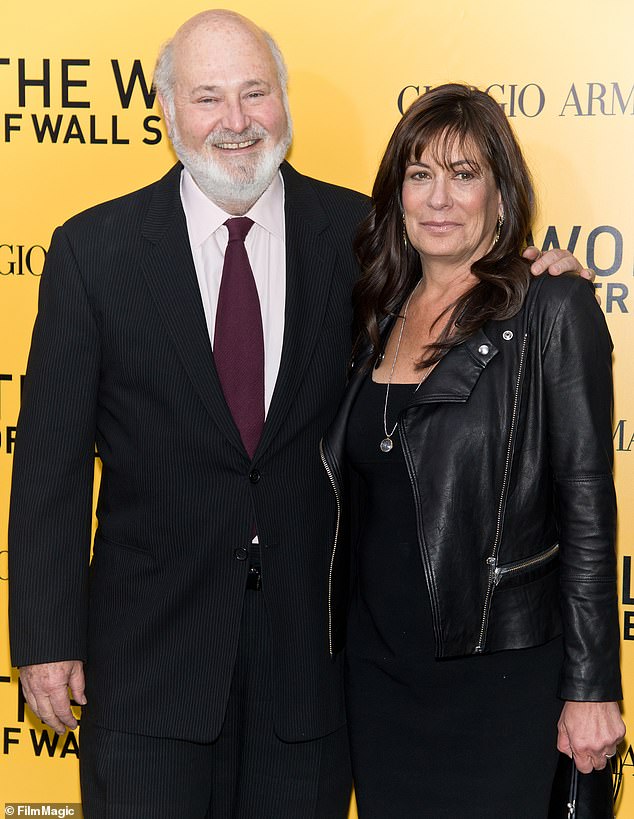
The Committee for the First Amendment has its roots in Fonda’s own family story. Her father, Henry Fonda, helped shape the original effort during the era of the Hollywood blacklist, when artists were punished and silenced over alleged communist ties. Jane recently relaunched the organization, and Rob and Michele were standing alongside her as allies in that fight.
To lose them, suddenly and violently, was not just a private pain. It tore through a shared legacy of artists who spent their lives asking what America really means, on screen and off.
A Holiday Party That Turned Haunting
The night before their bodies were discovered, Fonda, Rob and Michele Reiner were among the guests at Conan O’Brien’s star-packed Christmas party, according to reports.
What should have been a cozy, inside Hollywood celebration has since become something darker in hindsight. At that gathering, sources told TMZ that Rob and Michele’s son, Nick, was seen in a very loud argument with his parents.
Michele was said to have spent months confiding in friends about the struggle of dealing with Nick’s reported drug and mental health problems. She was quoted as telling friends, “We’ve tried everything.”
One source told People that Nick’s behavior at the party was alarming, saying he was “freaking everyone out, acting crazy, kept asking people if they were famous.” It was the kind of detail that sounds almost absurd until you remember what came next.
A separate insider told the Daily Mail, “They got in an argument, the father and son. It got so bad and loud someone wanted to call the police to report it.”
According to that account, Conan himself intervened. “The source added that Conan stepped in and said its my house, my party, I’m not calling the police. He talked them out of calling the police.”
Soon after, Rob and Michele Reiner were found dead, and Nick was arrested in connection with their deaths. He is now awaiting trial, contesting allegations that have stunned the entertainment world.
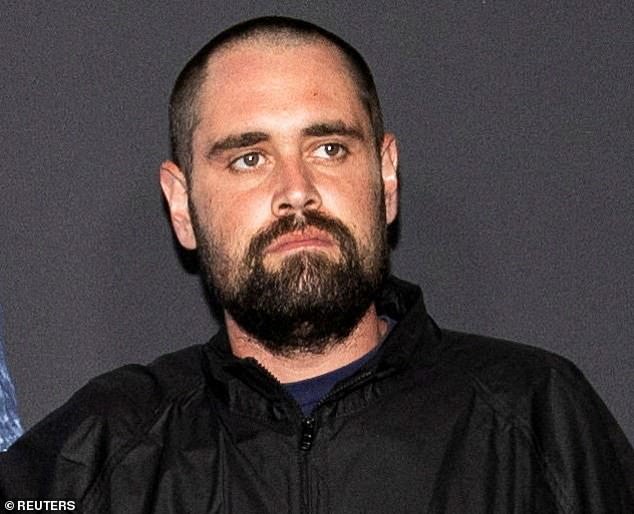
The facts are chilling enough. A Hollywood family that looked, from the outside, like industry royalty, unraveling in the most public and tragic way imaginable.
Two Dynasties, One Shared Tragedy
Part of what makes this story so haunting is who these people are in the larger story of Hollywood itself.
Jane Fonda is the daughter of Henry Fonda, whose hard-lined, all-American roles made him a symbol of conscience on screen. Her own career has swung from sci-fi sex symbol to anti-war activist to fitness empire to acclaimed dramatic actress, a life lived at the exact point where art, politics and celebrity collide.
Rob Reiner comes from a parallel lineage. He is the son of Carl Reiner, the comedy giant who created “The Dick Van Dyke Show,” one of television’s most beloved series. In a quiet, almost tender tribute, Dick Van Dyke’s character on that show was named Rob Petrie after a teenage Rob Reiner.
Later, Rob became a defining figure in his own right, directing classics like “When Harry Met Sally” and “A Few Good Men” while emerging as a vocal political and social activist. Michele, for her part, was widely described by friends as generous and deeply engaged, the kind of Hollywood spouse who was a true partner, not just a plus one.
Fonda’s Instagram remembrance captured exactly that energy. These were not just famous names. They were, in her words, “always coming up with ideas for how to make the world better, kinder.” They were helping her push a new chapter of the Committee for the First Amendment into the spotlight, turning their privilege into something purpose-driven.
The Weight Behind The Wheelchair
So when you look again at those photographs of Jane Fonda in a wheelchair at LAX, the image changes.
Yes, you see a woman in her late eighties who has never pretended that aging is easy. You see the fur coat, the silver bob, the sunglasses, the quiet luxury of someone who has been rich and famous for longer than most of us have been alive.
But layered under the glamour is the knowledge that she is flying out of a city that just tore a piece of her history away. Only days before, she sat in a room with Rob and Michele Reiner, watched them laugh, watched them support her work, watched them look “healthy and happy.” Now she is leaving Los Angeles without them in the world.
The wheelchair, in that context, stops feeling like a symbol of weakness. It looks more like a practical concession to a life lived at full speed for nearly nine decades, suddenly collided with brutal grief.
Hollywood loves a comeback story, and Jane Fonda has given us more than almost anyone. What no one at LAX could miss, as they watched her glide past security, is that even legends sometimes need help moving forward when the story turns this dark.
On that terminal floor, for a few seconds, the dazzle of celebrity and the terror of real life sat side by side. The woman in the wheelchair was not just a movie star. She was a friend who had looked into the eyes of the dead less than two nights before and walked straight into a nightmare that no camera could choreograph.