

Spencer Pratt Finally Says the Quiet Part Out Loud
For years, Spencer Pratt wore the reality TV villain label like a costume. Now he is confessing just how far he went to earn it, putting a very famous name in the crosshairs: Mary-Kate Olsen.
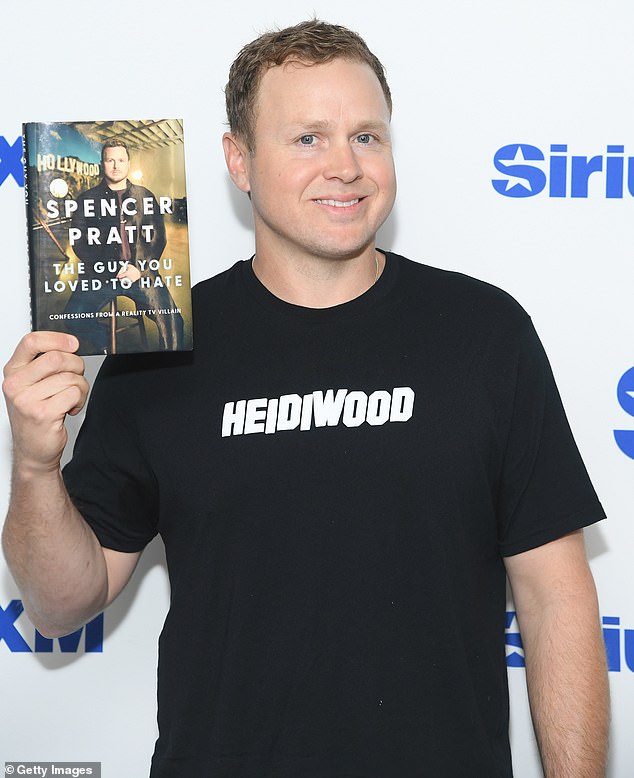
In his new memoir, “The Guy You Loved to Hate: Confessions,” the 42-year-old former The Hills star admits he cashed in on a stash of private photos of the Olsen twin during her teens, selling them to a tabloid for $50,000. The source of those images, he says, was not a paparazzi stakeout, but his own heartbroken friend.
The revelation pulls one of Hollywood’s most private figures into a story about old Los Angeles, young ambition, and the price of becoming a professional villain.
The $50,000 Betrayal That Helped Build a Villain
According to DailyMailUS, Pratt writes that the scheme began in the early 2000s at Crossroads School in Santa Monica, California, where he was classmates with Mary-Kate Olsen and Max Winkler, the son of actor Henry Winkler. Olsen, who would later co-found the luxury label The Row, was then in a teenage relationship with Max.
Pratt describes Winkler’s bedroom as home to a “photo shrine” to Mary-Kate. In the book, he recalls pictures that he says captured “young love” across European hotels, Hollywood parties, and stolen moments between the two teen stars.
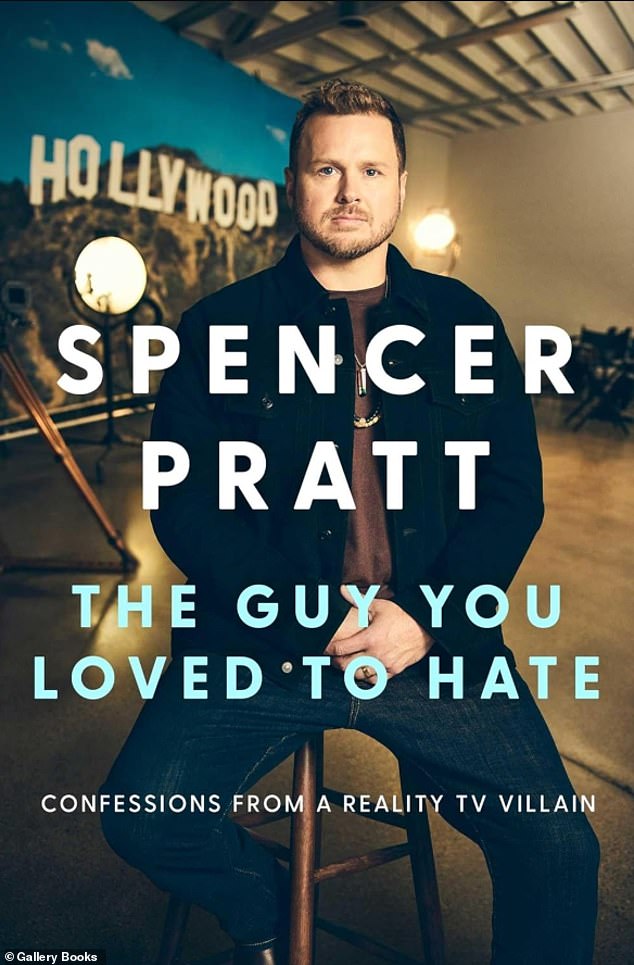
When the young couple split, Pratt writes that he saw an opportunity. He claims he offered to take the photos off his friend’s wall under the guise of helping him heal, then interpreted Max’s lack of objection as permission to take them.
“Here I was, 20 years old, turning my buddy’s romantic misery into startup capital,” Pratt writes in the memoir, per the DailyMailUS report. He says he dismantled the shrine, broke the images into sellable pieces, and quietly delivered them to a tabloid, which he does not name.
Less than a week later, Pratt recalls pulling into a gas station and spotting the now-infamous headline staring back at him. On the cover of InTouch, he writes, were the photos and the phrase “TEENS GONE WILD” splashed across the front.
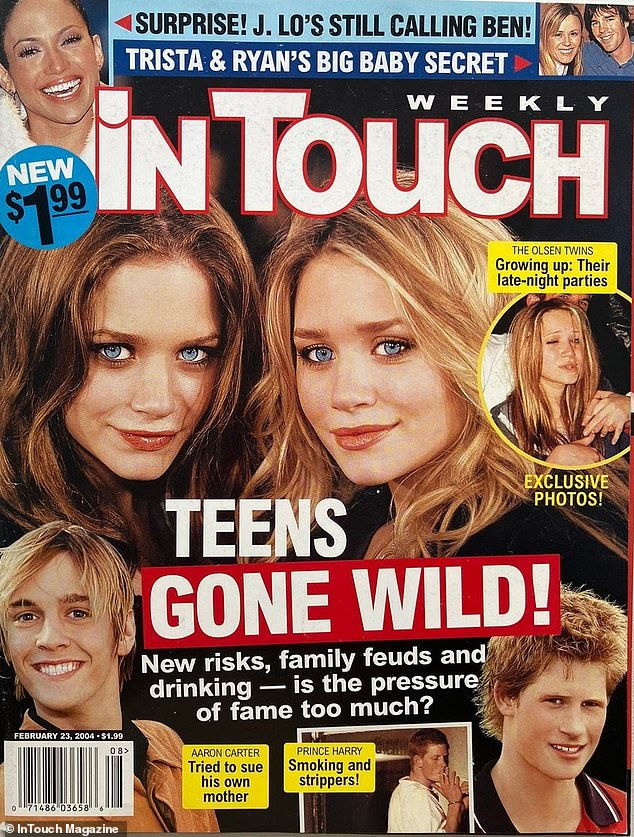
In his telling, the $50,000 payout was not just cash. It was the opening act of the villain persona that would later define his years on reality TV.
Mary-Kate Olsen, a Private Icon Pulled Back Into the Spotlight
Olsen, now 39, has spent much of her adult life moving further away from the glare of the cameras that followed her through Full House, the direct-to-video empire, and the height of teen celebrity culture. The Row, the ultra-discreet luxury brand she built with twin sister Ashley, is famously minimalist, quiet, and private, much like its founders.
Pratt’s disclosure pulls a long-closed chapter of her personal life back into public conversation. The photos he writes about were not red-carpet moments but intimate snapshots taken by a boyfriend and hung on a teenage boy’s wall.
The DailyMailUS report notes that representatives for Olsen were contacted for comment. As of the outlet’s coverage, no public response had been shared on the record.
For Olsen, who has carefully controlled her image for decades, the idea that deeply personal photos were sold to a tabloid by a friend of her then-boyfriend hints at just how little control young women in the early aughts had over their own narratives, especially when powerful magazines and hungry reality hopefuls were involved.
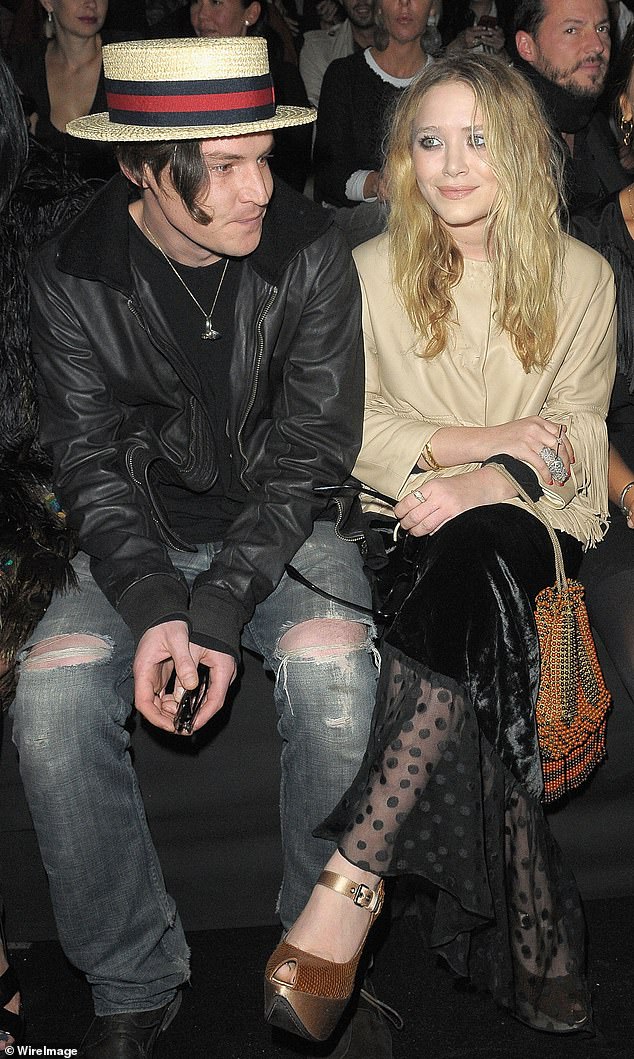
Max Winkler, Broken Hearts, and Hollywood Privilege
At the center of the story is Max Winkler, the Hollywood kid who went from high school boyfriend to unwitting tabloid source. Pratt positions himself as both friend and opportunist, describing a teenage crew that included Winkler and circled around the children of industry insiders.
The photos, he writes, were never meant for public consumption. By his own account, they were keepsakes from first love, pinned to a bedroom wall in a city where actors’ children, fashion prodigies, and future reality stars all went to the same schools.
In Pratt’s memoir, that heartbreak becomes the turning point. What was, for Winkler, a painful breakup becomes, for Pratt, a business opportunity. The story, as he tells it, doubles as a snapshot of a specific era in Los Angeles, when teen stars were relentlessly packaged as wild, troubled, and out of control, while magazines competed to frame their chaos.
The result for Pratt was a five-figure payday and, soon after, a career built on leaning into his reputation as television’s favorite antagonist.
From Tabloid Tipster to Would-Be Mayor
Two decades later, Pratt is trying to redirect that narrative. DailyMailUS reports that he recently appeared at the They Let Us Burn! protest in the Pacific Palisades, a fiery environmental and accountability rally that has energized some Los Angeles residents.
Onstage, Pratt delivered a speech that sounded worlds away from his The Hills confessionals. “The system in Los Angeles is not struggling, it is fundamentally broken,” he told the crowd, accusing local leaders of protecting “the people at the top and the friends they exchange favors with while the rest of us drown in toxic smoke and ash.”
He told attendees he is running for mayor of Los Angeles, framing it not as a traditional campaign, but as a “mission” to expose what he called a rigged system. He accused unnamed officials of “gross negligence” and claimed, “They intentionally let us burn before, during, and after.”
The rhetoric is populist, angry, and sweeping, but it also plays into the same skill set that once made him reality-TV gold: creating a story in which he is at the center of the chaos, pointing at power structures, and asking viewers to pick a side.
The Heidi Montag Factor and a Carefully Built Brand
Throughout it all, one figure has stood next to him in the spotlight and in the backlash: Heidi Montag. According to People, Pratt and Montag married in 2008, after their relationship became one of the defining storylines of The Hills, and the couple shares two sons, Gunner and Ryker.
DailyMailUS notes that Pratt references his family in the context of his new political ambitions, speaking not just as a former reality star, but as a father of two who says he wants accountability for what he describes as environmental failures in the city.

Their relationship has weathered multiple public reinventions: from villains to punchlines to an unexpectedly enduring pair. Each pivot has relied on the same raw material Pratt is now using again, this time in book form. He pulls back the curtain on himself, admits to the worst stories in vivid detail, and invites the public to decide what to do with that information.
Confession, Redemption, and a Reputation in Motion
The timing of Pratt’s admission about Mary-Kate Olsen is not accidental. A memoir, a political tease, and a new wave of attention all converge on one central idea: he is owning the behavior that once made him infamous, while also arguing that he has evolved.
By detailing how he allegedly took private photos off a heartbroken friend’s wall and turned them into a $50,000 cover story, Pratt reinforces the villain narrative that gave him his first real leverage in Hollywood. At the same time, he positions that chapter as a cautionary tale, one that a more mature version of himself can now look back on with distance.
For Olsen, the confession drags an old wound into the spotlight without her consent. For Winkler, it reframes a teenage breakup as the origin story of someone else’s fame. For viewers who grew up watching all three names move through different corners of pop culture, it is another reminder that, behind the glossy covers and reality confessionals, there were real friendships, real heartbreak, and real betrayals.
As Pratt tries to turn a villain brand into a political platform, the question lingers over his new persona: Is this just another storyline, or the start of a genuine reinvention in a city that never forgets how you first became famous?