


TLDR
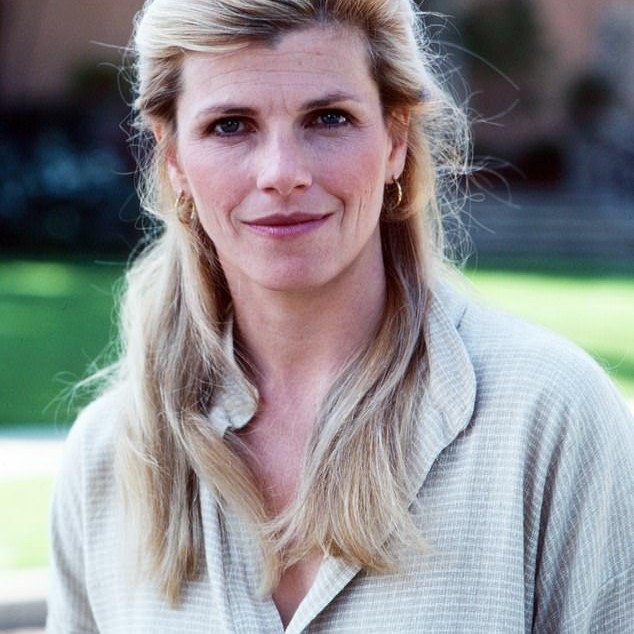
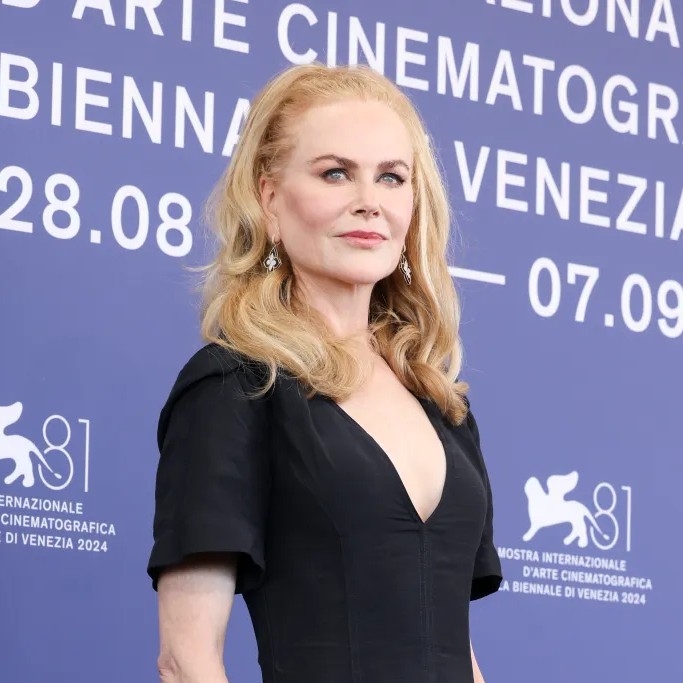
French actress Nadia Fares, the magnetic presence at the heart of “The Crimson Rivers” and other cult thrillers, has died at 57 after being found unconscious in a Paris swimming pool, according to AFP and a statement from her daughters.
Many viewers first met Nadia Fares in the icy blue shadows of “The Crimson Rivers”, her gaze matching every twist of the French thriller. Now the woman whose intensity powered so many late-night mysteries is gone, and the quiet, unsettling outline of her final days is only beginning to emerge.

Global news agency AFP reported that Fares was found floating unconscious in a Paris swimming pool on April 11. She was pulled from the water and taken for emergency treatment, where she remained in a coma. Her daughters later confirmed in a statement, cited by AFP, that she died on Friday at 57.
Public reporting so far has not detailed exactly what led to the incident at the pool. What has emerged instead is a stark timeline: a sudden medical emergency, days of uncertainty while she remained in a coma, and a family forced to absorb the news in private before it reached her fans.
Before the headlines, Fares had built a steady, respected career in European television. Early roles in “Counterstrike” with Christopher Plummer and “The Exile” let her refine a presence that felt both guarded and magnetic, the kind of face the camera keeps returning to even in an ensemble.
Her breakout came with “The Crimson Rivers” in 2000, opposite Jean Reno and Vincent Cassel. The film became a favorite for many Gen X and Baby Boomer viewers who discovered it on DVD or premium cable, and it introduced Fares as one of the defining faces of modern French noir.
Hollywood soon took notice. Fares crossed into English-language projects, including the horror film “Storm Warning”, the action movie “War”, and the crime thriller “Lucky Day”. In “On The Line” with Mel Gibson, she leaned into a tougher, steelier side of her persona, the kind of character who always seemed to know more than she was saying.
Across these roles, Fares built an on-screen reputation for playing women who had already survived something before the story even began, stylish but wary, romantic yet unwilling to be naive. Her final performance, in last year’s “Toujours possible”, fit that evolution. She portrayed a 55-year-old biologist yearning to have a child, facing questions about age, regret, and second chances that echoed the real-life stage many of her longtime fans were at.
Offscreen, Fares largely stayed away from confessional interviews and social media oversharing. The fact that news of her condition surfaced only through AFP, and only after her daughters chose to speak, underlines how tightly her inner circle protected her and how carefully her public image was managed until the end.
For the viewers who welcomed her into their living rooms through imported DVDs and late-night cable, the news lands like a sudden cut to black. Many are already revisiting “The Crimson Rivers” and her English-language thrillers, retracing the sharp, searching performances that made her memorable even in smaller roles.
At 57, Fares seemed poised for a new chapter of midlife, character-driven work. Instead, her legacy now rests in a body of films that bridged continents and genres, and in the memory of a performer who refused to play simple or small. Nadia Fares leaves behind her daughters, her colleagues, and a generation of viewers who saw in her a different kind of leading woman.
Which Nadia Fares performance stays with you most, and how does news of her passing change the way you remember that era of thrillers and late-night movie discovery?