

It ended the way so many royal scandals do, not with a balcony appearance but with a backseat exit. In the space of a few quiet hours, the man once styled His Royal Highness The Duke of York was reportedly driven away from Royal Lodge at night, his belongings still half packed, as the House of Windsor tried to outrun the latest wave of Epstein revelations.
TLDR
Amid fresh Epstein-related disclosures and mounting public pressure, Prince Andrew has reportedly been rushed out of Royal Lodge, deepening the rift with King Charles, Prince William, and his ex-wife, Sarah Ferguson, and leaving Princesses Beatrice and Eugenie caught in the fallout.
A Midnight Exit From Royal Lodge
For years, Royal Lodge in Windsor Great Park was the stubborn heartbeat of the Yorks. The 30-room mansion, once home to the Queen Mother, became the stage on which Prince Andrew tried to insist that nothing had really changed, even after he stepped back from public duties and lost his military titles.
According to detailed reporting in the British tabloids, that illusion finally cracked on a recent Monday night. Staff were left among half-filled packing cases and dust-sheeted furniture while Andrew, still protesting his innocence to anyone who would listen, was driven away under the cover of darkness.
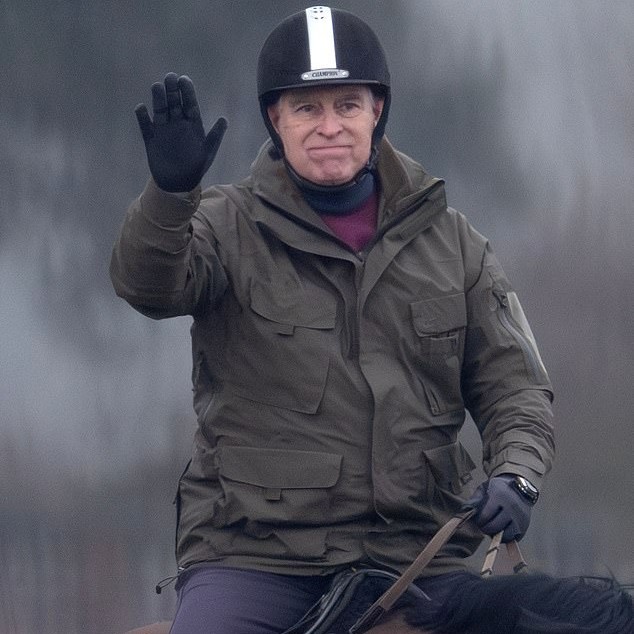
The move came after reports that he had been seen riding around the Windsor estate on horseback, exchanging waves with members of the public. To palace traditionalists, it looked uncomfortably like a man trying to reclaim the deference of his past life, at the very moment when the monarchy is fighting to prove it has learned from its mistakes.
Behind the scenes, royal sources suggest the decision to remove him from Royal Lodge was agreed by King Charles and Prince William. The two most senior Windsors have long understood that their own legitimacy is tethered to how decisively they handle Andrew, especially in light of new court documents tied to Jeffrey Epstein that have dragged the York name back into the headlines.
Andrew has already paid a steep public price. According to the Guardian, he was stripped of his remaining military titles and royal patronages in early 2022 and agreed he would no longer use the style His Royal Highness in any official capacity. It was a rare, brutal reset for a senior royal, and it came after he had already stepped back from duties following his disastrous television interview about Epstein.
Yet the man inside Royal Lodge appeared determined to treat those losses as a temporary humiliation, rather than a permanent redrawing of his place in the hierarchy. Friends say he closed ranks, rejected most outside advice, and convinced himself that the public would eventually come back to him.
William and Charles Protect the Crown
For King Charles and Prince William, that mindset was not just stubborn, it was dangerous. The monarchy now survives on something more fragile than constitutional theory. It depends on the idea that the institution can read the room.
According to BBC reporting, Andrew had already “stepped back from public duties” in 2019, after his Newsnight interview triggered a wave of anger from survivors of abuse and from the wider public. When fresh legal filings and photographs began surfacing again in the Epstein orbit, that anger threatened to reignite.
Inside palace walls, the reputational equation shifted. It was no longer simply about a disgraced son and brother. It was about a new King building his reign, and an heir apparent who has built his adult life on carefully managed credibility, charity work, and a comparatively steady private image.
Courtiers have long believed that William, more than anyone, understands how Andrew’s presence at a grand Windsor residence plays outside the gates. Images of the former working royal enjoying the manicured calm of Royal Lodge sit awkwardly against the suffering of Epstein’s victims, and against a cost-of-living crisis that has reshaped how British taxpayers look at royal privilege.
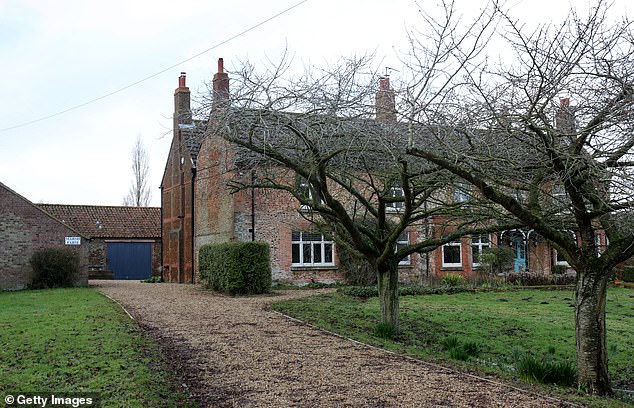
So a compromise was engineered. Reports suggest Andrew would first be sent to Wood Farm on the Sandringham Estate, the modest but cherished retreat where Prince Philip spent his retirement years and where the late Queen was known to cook and wash up herself. It is a softer landing on the way to a more permanent, less staffed property.
The symbolism is stark. The son once treated as untouchable now faces a future in smaller, quieter houses, further from the heart of royal pageantry. The Royal Lodge era, with its sense of entitlement and defiance, appears to be closing.
Fergie, the York Sisters, and Fallout
In many ways, Sarah Ferguson has always been Andrew’s mirror and accomplice. Their divorce did not end their alliance. For decades, they have shared homes, dogs, debts, and a talent for turning scandal into a kind of joint venture.
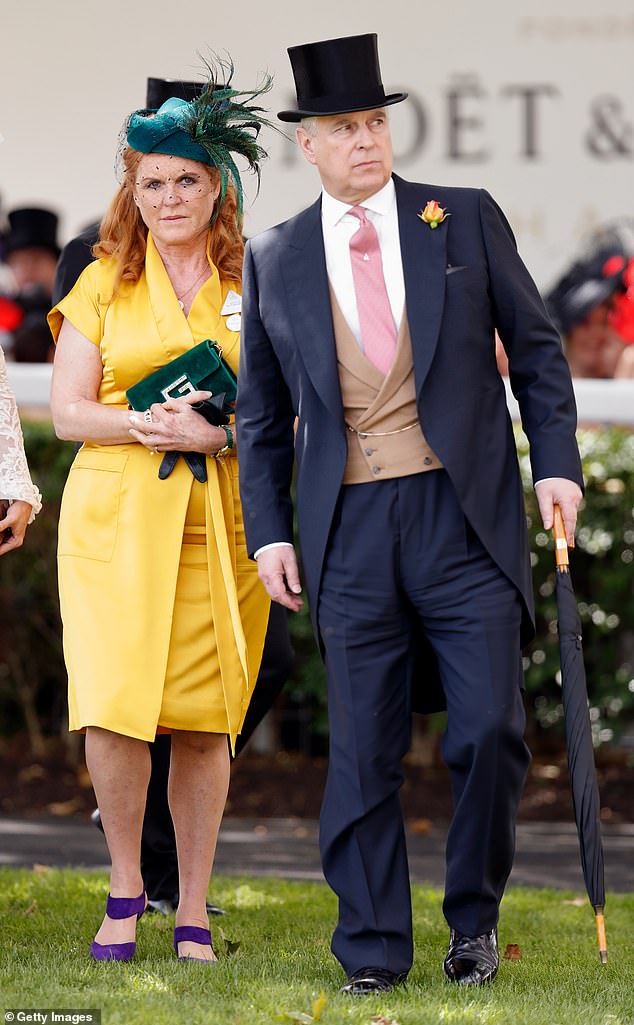
Recent tabloid coverage has painted an almost cinematic picture of Fergie slipping in and out of Royal Lodge in recent weeks, reportedly reclining on the back seat of cars to avoid photographers. The imagery feeds a narrative that has followed her for years. When trouble comes, she moves quickly, sometimes out of the country, sometimes into a new commercial project or confidante circle.
Royal biographer Andrew Lownie has described her pattern in blunt terms, saying in interviews that “when there is a scandal, she runs away.” His assessment may sound harsh, but it speaks to something many close watchers of the Yorks have long observed. Sarah is rarely in one place, literal or emotional, for long.
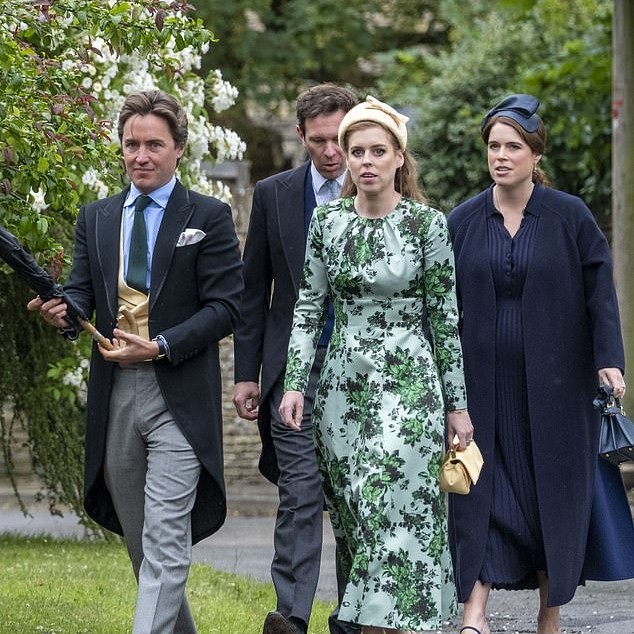
For Princess Beatrice and Princess Eugenie, the stakes are different and painfully public. They grew up in the long shadow of their parents’ money problems and marital drama. As adults, they tried to carve out professional lives and relatively low-key marriages while still appearing at key royal events, loyal to both the Crown and their parents.
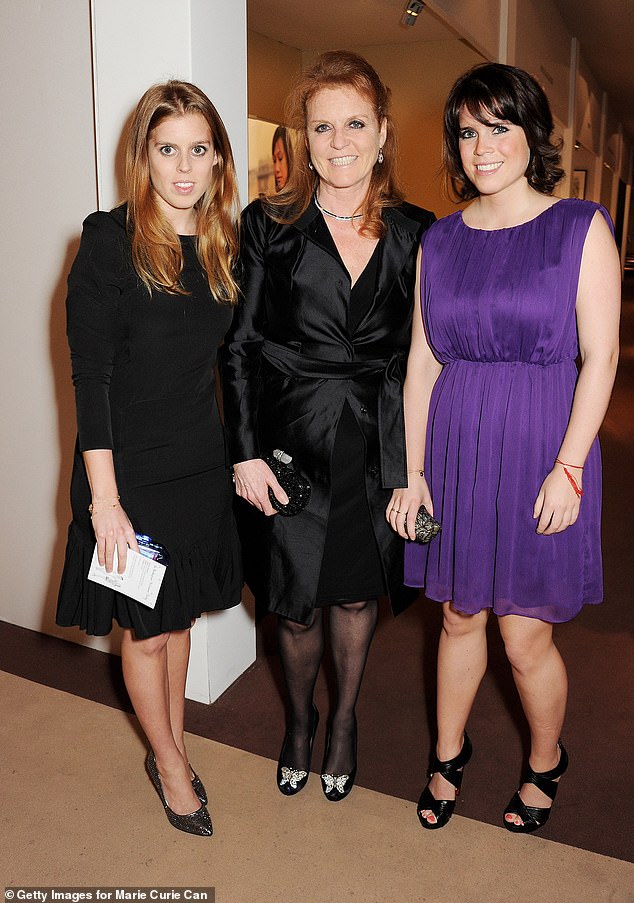
Now they find themselves at the center of a renewed storm that they did not create. Reports suggest the latest Epstein-related disclosures, along with questions about past social visits and associations, have strained the private relationship between the daughters and their mother. Public sympathy tends to gravitate toward the York sisters, who are seen as dutiful and earnest, yet perpetually cleaning up emotional and reputational messes they did not start.
There are also career questions. Any move by Beatrice or Eugenie to step closer to full-time royal roles would be judged through the prism of their father’s record. At the same time, every attempt to build independent lives in business, charity, or media is complicated by the family name that opens doors and closes others.
A Royal Brand With No Road Back
From the institution’s perspective, the message of the midnight move is simple. There is no road back for Prince Andrew. Not to parades, not to uniforms, and, increasingly, not even to the quiet grandeur of Royal Lodge.
His continued refusal to offer a full public apology or sustained acknowledgment of regret is a significant part of that. Commentators who know him well describe a man who feels persecuted, misunderstood, and unfairly punished. One told the British press that he is convinced he has “done nothing wrong” and that any apology to Epstein’s victims would, in his mind, imply guilt he will not accept.
That personal stance collides with the monarchy’s larger need to move on. King Charles has his own battles, from modernizing the institution to managing global scrutiny of the family finances and legacy. Prince William is crafting a future that leans on philanthropy, mental health advocacy, and a carefully curated image of relatable domestic life. Neither can afford to be pulled back into the gravitational field of the Epstein scandal every time new documents or photographs surface.
The emotional tragedy is that Andrew appears unable to recognize the finality of what has happened to him. For a man raised to believe in rank, protocol, and deference, the idea that the system will not eventually find a way to rehabilitate him may feel unthinkable. Yet outside the palace gates, the public conversation has largely moved on from whether he can return to how the Crown can keep firm daylight between itself and his story.
In that sense, the late-night car pulling away from Royal Lodge was more than a house move. It was a closing shot in a long-running royal chapter. The man in the back seat may still be clinging to old narratives, but the institution he once represented has made its choice.
Join the Discussion
Do you think King Charles and Prince William have now drawn a clear enough line between the Crown and Prince Andrew, or will the York legacy continue to haunt the modern monarchy?