

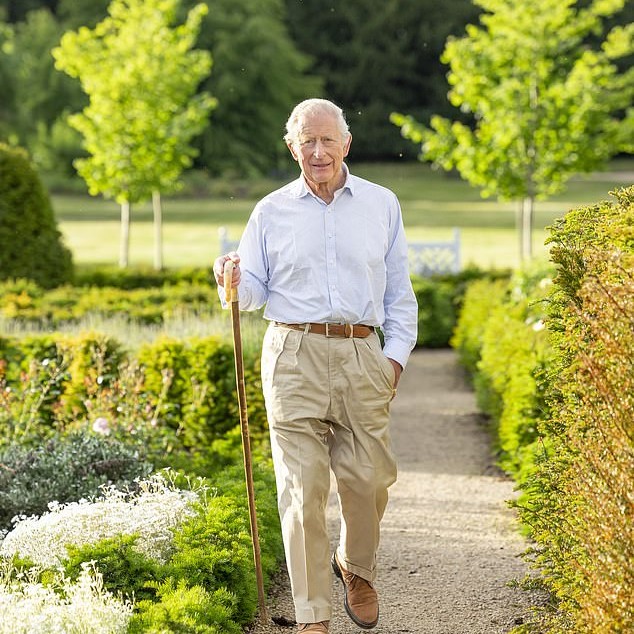
For a man whose title conjures visions of silver cloches and twelve-course banquets, King Charles’s daily plate is surprisingly restrained. Behind palace gates, the monarch leans on muesli, home-grown vegetables, and late suppers, a routine now scrutinized as closely as any royal speech.
TLDR
King Charles’s daily diet pairs simple, vegetable-rich breakfasts and skipped lunches with late-night dinners of seasonal game, organic meat, and garden produce. A nutritionist calls it broadly sound, while flagging his late eating and saturated fat.
Breakfast at Highgrove
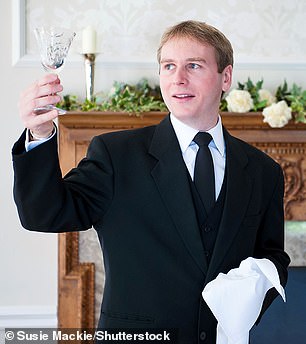
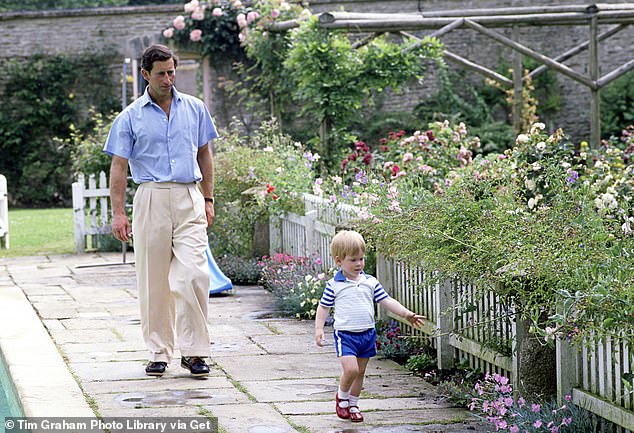
According to DailyMailUS, former royal butler Grant Harrold, who worked with Charles from 2004 to 2011, recalls a man of firm habits. Breakfast was non-negotiable. Lunch was often skipped. Dinner did not appear until around 10 p.m., a schedule shaped by official duties and decades of royal routine.
At Highgrove House in Gloucestershire, the day typically begins quietly, with a table that mirrors the gardens outside the window. Freshly baked bread, cereals, muesli, and seasonal produce grown just meters away set the tone. Plums, eggs, and asparagus, rather than pastries and sugary spreads, anchor the first meal of the day.
He is known to favor Darjeeling tea with milk over coffee, and his hot options reflect an old-world, quietly luxurious sensibility. Eggs Argenteuil, a classic French combination of eggs and asparagus, or rich cheesy baked eggs with cream, spinach, and British artisan cheeses such as Tunworth and Old Winchester, appear far more often than bacon rolls.
Sometimes it is even simpler. A four-minute boiled egg, perfectly timed, has long been part of his breakfast story. Nutritionist Rob Hobson, quoted by DailyMailUS, notes that this kind of start does real work for an aging body. A single egg delivers around 7.5 grams of protein, a modest number on paper that becomes meaningful when combined with vegetables, whole grains, and fruit.
Hobson highlights the quiet power of those greens. Asparagus, he explains, brings dietary fiber, folate, vitamins K and A, and protective plant compounds that support gut health and help reduce inflammation and oxidative stress. He adds that regular vegetables at breakfast are still unusual in many British homes, remarking, “Given that the average adult in the UK still only eats around three portions of fruit and vegetables a day, this kind of regular vegetable intake is something I hope puts him comfortably above that average.”
Why He Skips Lunch
If breakfast looks like a wellness retreat, midday is more of a power play. Harrold remembers the King regularly skipping lunch, a pattern that compresses his calories into breakfast and dinner. Hobson cautions that concentrating nutrition into fewer meals raises the stakes on quality, noting, “Skipping lunch means his nutritional intake is concentrated into fewer meals, which can work for some people but does place more importance on the quality of breakfast and dinner.”
That timing also collides with what researchers know about metabolism. Hobson points out that insulin sensitivity is generally higher in the morning. The body is typically better at handling glucose earlier in the day, while frequent late eating has been associated with less favorable blood fat profiles over time, which can raise the risk of type 2 diabetes. He judges this as an association rather than a strict rule, but it is a reminder that royal habits do not exempt anyone from basic biology.
DailyMailUS reports that there has been one pragmatic adjustment. As he juggled treatment and engagements following his cancer diagnosis, the Mail on Sunday revealed that Charles began adding half an avocado around midday to boost strength and energy. The choice fits neatly with his broader image. Avocados, often labeled a superfood, are rich in heart-healthy monounsaturated fats, fiber, potassium, and vitamins K, E, and C. It is a small, discreet intervention rather than a dramatic reinvention.
The health backdrop is impossible to ignore. In February 2024, Buckingham Palace confirmed that the King had been diagnosed with a form of cancer. According to BBC News, the announcement emphasized that he had begun treatment and would continue certain constitutional duties while stepping back from public-facing events. Against that canvas, every detail about his eating, sleeping, and working patterns suddenly carries more emotional weight.
Game Birds and Late Dinners
If his mornings feel almost monastic, his evenings lean into tradition and terroir. Charles is known to eat seasonally, drawing on produce from his estates’ kitchen gardens and farmlands. When he guest-edited an issue of Country Life magazine in 2018, he shared that pheasant pie was his favorite meal and described adapting classics with game birds, turning coq au vin into a grouse dish and moussaka into what he jokingly called “Groussaka.”
Former royal chef Darren McGrady has said that Charles particularly loves wild mushrooms, foraging for chanterelles and porcini at Balmoral. The kitchen would saute them with butter and tarragon, then freeze the harvest for use throughout the year in dishes such as creamy mushroom risotto, often served with local lamb chops or other organic, farm-raised meat.
Mutton, an old-fashioned favorite that appears on his table, draws a nuanced response from Hobson. He notes that it is a strong source of protein, iron, and vitamin B12, but it is also higher in saturated fat than some other meats and is best enjoyed in moderation. A diet chronically high in saturated fat can raise levels of LDL cholesterol, the type associated with a higher risk of coronary heart disease, heart attack, and stroke. For a 77-year-old king, those numbers are not abstract.
Vitamin B12 complicates the story in a helpful way. It is essential for making and repairing DNA and for the proper function of every cell, yet it is generally found only in animal foods. Deficiency can lead to neurological problems, from balance and speech difficulties to short-term memory loss. In that context, a measured amount of organic meat works less as indulgence and more as insurance for healthy aging.
Timing, however, remains Hobson’s main concern. Eating dinner at 9 or 10 p.m. may suit a royal diary packed with receptions and state papers, but he cautions that late-evening meals can be less than ideal for digestion and sleep, particularly when they are routine rather than occasional.
Tea, Honey, and Small Indulgences
The King’s drinks cabinet tells its own story about moderation and image. Harrold recalls that Charles drinks far more tea than coffee, averaging around four cups of tea a day. When coffee does appear, it is instant rather than artisanal, sweetened with honey instead of sugar, a detail that has charmed many observers who see it as a small, quirky preference in a highly managed life.
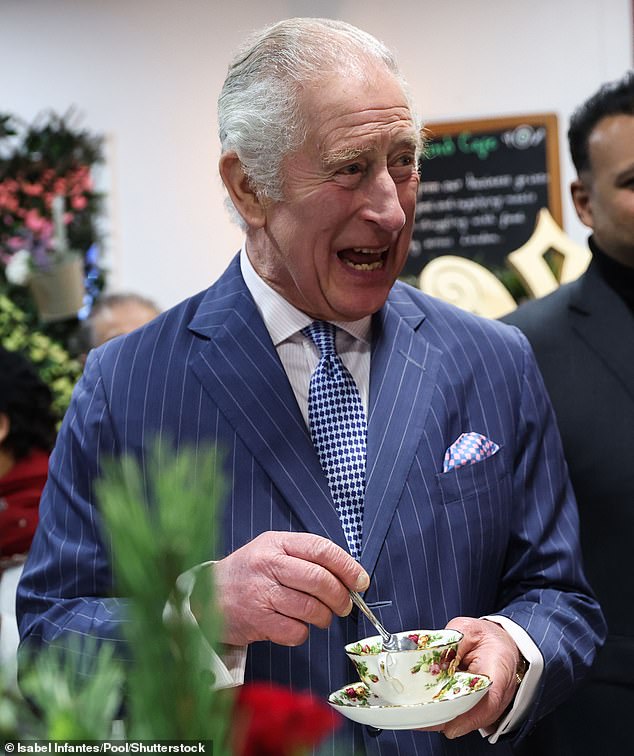
Hobson gently manages expectations here. Honey feels more natural, but nutritionally, it is still a sugar, delivering similar calories and effects on blood glucose. The real advantages in Charles’s routine come from the tea itself. Regular tea drinking contributes to hydration and polyphenols, plant compounds that have been linked with heart and brain benefits in large population studies.
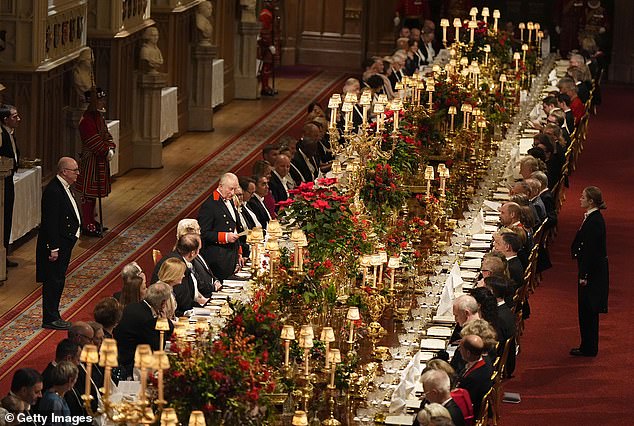
Alcohol sits in the background rather than center stage. Charles is known to enjoy a glass of wine at formal banquets, where raising a toast is part of the choreography, but there is little suggestion that heavy drinking plays any role in his day-to-day life. For a monarch whose public brand is tethered to environmentalism and restraint, visible excess at the table would land awkwardly.
The Verdict on a Royal Diet
Over the years, Charles has aligned his personal habits with his public advocacy. He has spoken about cutting back on red meat and has long promoted organic farming and lower-emission food systems. Before his illness, he reportedly set himself two meat-free days every week, pairing personal choices with the message he delivers on climate and sustainability.
When Hobson steps back to assess the bigger picture, his conclusion is quietly admiring rather than glowing. He tells DailyMailUS, “From a nutritional point of view, King Charles’s diet is pretty good.” He describes it as “a traditional diet with a strong whole-food base, shaped as much by routine and occasion by nutrition.”
In practice, that means a plate built on vegetables, whole grains, seasonal fruit, and modest portions of high-quality meat, framed by cups of tea and a stubbornly late dinner. The tension between his schedule and the science on meal timing remains unresolved. So does the balance between his fondness for rich game dishes and the modern drive to cut saturated fat.
Yet the broad outline of his routine tracks with the longevity narrative running through his family. A grandmother who lived to 101, a father who reached 99, a mother who performed duties into her mid-90s. In that context, Charles’s breakfast muesli, garden asparagus, and carefully chosen meat look less like aristocratic whims and more like part of a deliberate, long-term way of living in a body that is expected to carry a crown for as many years as it can.
Join the Discussion
Seeing how structured King Charles’s eating habits are, from his vegetable-heavy breakfasts to his late dinners, does his routine strike you as admirable discipline, old-fashioned habit, or something in between?
References