

A Celebrity Docuseries Just Ran Into A Wall Of Blue
The NYPD reality show that was supposed to polish the badge of the nation’s largest police force has exploded into a courtroom drama, starring Dr. Phil’s son at the center of the storm.
Jordan McGraw, musician and son of television personality Dr. Phil, went from privileged access inside New York City police operations to being slapped with a restraining order that stops him from selling or even sharing key footage from his 18-episode docuseries.
City lawyers say that if the world sees what McGraw’s cameras captured, it would not just embarrass the NYPD. They argue it could be “life-threatening” for officers, witnesses and suspects, and could wreck active criminal cases.
‘Behind the Badge’ Was Meant To Be A Love Letter
The project at the center of the legal fight is a police docuseries tentatively titled “Behind the Badge.” According to a lawsuit filed in Manhattan Supreme Court, McGraw was granted “special” behind-the-scenes access to NYPD operations under former New York City Mayor Eric Adams’ administration.
The goal, on paper, was simple. The show would “highlight the extraordinary work of the NYPD” and give viewers a rare front row seat to the danger, drama and split-second decisions that define policing in New York City.
The access came with strings. In exchange, the city kept what it called “reasonable discretion” over what could air, acknowledging the “sensitive” nature of undercover work, ongoing investigations and the privacy of crime victims and juveniles.
The contract for “Behind the Badge” was greenlit in April 2025 under then-Mayor Adams’ chief of staff, Camille Joseph Varlack. NBC New York reported that the three-year deal was signed one day after a federal judge dismissed federal corruption charges against Adams, and that Adams’ campaign also paid $500,000 to another McGraw company, Fairfax Digital, to produce social media ads.

Inside City Hall, Excitement Turned Into Alarm
Behind the scenes, not everyone in law enforcement was thrilled about the idea of cameras trailing officers.
Police Commissioner Jessica Tisch was reportedly never on board with the show. Sources familiar with the Adams administration told the New York Post that “Behind the Badge” was a passion project pushed by two of Adams’ closest allies, former Chief of Department John Chell and Kaz Daughtry, who held top roles in both the NYPD and City Hall.
“Everyone was wildly concerned,” one administration official told NBC New York, claiming Adams was intent on cutting the deal with McGraw and cutting the NYPD itself out of the decision-making process.
According to New York City’s lawsuit, the project soon spun out of the city’s control. Lawyers for the city say McGraw and his company, McGraw Media, “disavowed their obligations” and tried to wrest full editorial control of the footage, despite clear rules in the production agreement.
What The City Says The Cameras Really Caught
Once rough cuts and raw material started arriving, the mood inside City Hall reportedly shifted from concern to panic.
City lawyers say McGraw Media delivered rough cuts of only four episodes in December, while the remaining 14 episodes were essentially an “unedited footage dump” that included raw interviews and segments without audio.
From the material they did review, officials say they found scenes that never should have been filmed for public release in the first place. According to the lawsuit, the footage included discussions of sensitive police operations, the identities of undercover officers, witnesses, crime victims and juveniles, and even a secret security code used to enter a police precinct.

The suit warns that “any of this footage airing threatens to interfere with law enforcement investigations, judicial proceedings, deprive numerous arrestees’ right to a fair trial and cause significant harm to the city and the department, as it would undoubtedly tarnish their reputation and goodwill.”
Among the most alarming examples, the complaint says the show contained footage of an officer inputting a security code at a station entrance, discussions of encrypted police communications and unblurred faces of people arrested by police who had not yet been tried or convicted.
The lawsuit states that a series sold to the public as a tribute to NYPD heroism had, in practice, “portrayed the nation’s largest police force negatively” in ways that violated the production agreement.
City Tried To Kill The Show Before It Ever Aired
According to court filings, Adams’ administration tried more than once to steer “Behind the Badge” back on track or shut it down entirely.
Officials say they sent written feedback twice, flagging what the contract defined as “Non Usable Content” such as confidential material, footage that revealed investigative techniques or anything that might compromise public safety or trust.
On Adams’s last day in office, Varlack sent a letter seeking to quash the project. She told McGraw that the city was “no longer able to fulfill its obligations” to the series and reminded him that the agreement gave the city the right to rule certain footage off limits.
The lawsuit claims that McGraw Media responded by essentially refusing to accept the city’s edits and making clear that it intended to distribute the flagged material anyway, while actively looking for a buyer to air the show.
The Judge Steps In And Slams On The Brakes
That standoff set the stage for the Mamdani administration to act. New York City Mayor Zohran Mamdani’s team filed a lawsuit against McGraw and his Texas-based production company, warning that the unreleased footage was not just controversial but “life-threatening.”

Within hours of the suit being filed, Judge Carol Sharpe signed a restraining order that effectively froze the project in place. According to the New York Post, the order bans McGraw from “transferring, selling, disposing of, or in any way disseminating and or distributing any video footage” unless the flagged content is removed.
In one swift move, a polished NYPD docuseries went from potential streaming bait to evidence in a legal battle over secrecy, safety and what the public has a right to see.
McGraw’s Side Calls It A First Amendment Fight
McGraw is not backing down quietly. His legal team has already moved to shift the case from New York state court to federal court, arguing that the city is trampling on free speech rights.
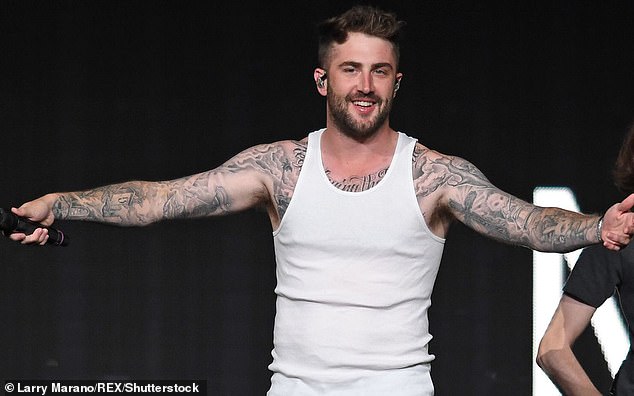
Chip Babcock, a lawyer for Jordan McGraw and McGraw Media, said the lawsuit blindsided them, insisting that “publication of any programming was not imminent.” He said the company “had worked with the city to address the edits requested” and remained willing to keep doing so.
Babcock also blasted Judge Sharpe’s restraining order as unconstitutional, calling it a textbook example of forbidden government censorship.
“It is our position that last night’s order violates the First Amendment’s near total prohibition of prior restraints,” Babcock told the New York Post.
In other words, McGraw’s team argues that the government is blocking a show before it even airs, something courts rarely allow except in extreme cases involving clear and immediate danger.
Eric Adams Still Praises The Show From The Sidelines
Even as his former administration tried to shut down “Behind the Badge” on its way out the door, Eric Adams himself is still cheering the project on.
In a social media post, the former mayor defended McGraw’s work, saying the producer “brought exceptional talent in revealing the inside story of the dangers NYPD officers face every day.”
“He and his team meticulously addressed every concern raised by City Hall,” Adams wrote.
He went further, praising the series as the truth-telling the public needs about law enforcement. “I’m proud that the work they did tells the real story of our brave police officers. Heroes do not wear capes, they wear blue uniforms. I understood that. I hope America will get to see that too.”
Celebrity, Power And The Price Of Going Behind The Scenes
On its surface, this saga looks like another fight between a city hall and a TV producer. Look a little closer and it becomes a snapshot of how celebrity, politics and policing collide in the streaming era.
A famous TV doctor’s son is invited into the most sensitive corners of the NYPD to tell a glamorous story about bravery and sacrifice. A powerful mayor leans into that access while his police commissioner reportedly bristles. Contracts are signed as campaigns pay hundreds of thousands of dollars to the same creative orbit.
Then the raw, unfiltered version of life behind the badge reaches the people who have the most to lose from what the cameras caught. Suddenly, the same footage that was supposed to sell the NYPD to America is being described in court as a threat to trials, officer safety and the department’s reputation.
What happens next will not just decide the fate of “Behind the Badge.” It will signal how far cities can go in controlling the stories told about their police, even when they invite the cameras in. It will test how much danger to accept in the name of transparency, and how much secrecy to tolerate in the name of safety.
For now, the show is locked on a hard drive, its most explosive scenes sealed by court order. Whether viewers ever see it, or only hear about it in legal filings, one thing is clear. The real drama of “Behind the Badge” is no longer on the streets of New York. It is playing out under fluorescent lights, in a courtroom where trust, truth and power are all on trial.