

TLDR
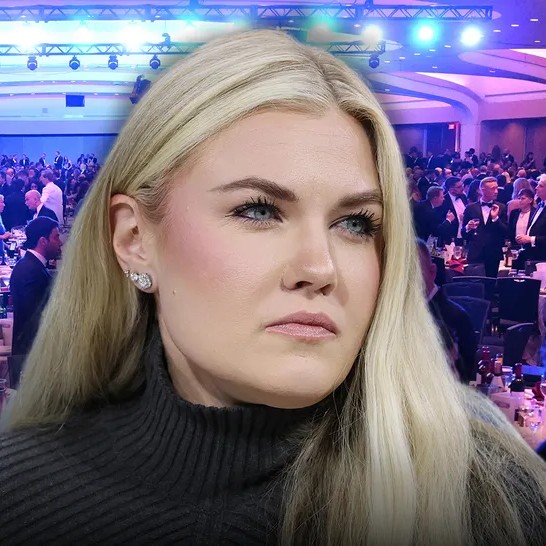
Erika Kirk, widowed after a campus shooting that killed her husband, Charlie Kirk, left the White House Correspondents Dinner in visible tears after gunfire and an armed intruder sent the D.C. gala into chaos.
The cameras had arrived for jokes, power tables, and a rare night of glamour in Washington. Instead, one of the most photographed exits of the evening captured Erika Kirk, eyes wet and voice breaking, as security rushed guests out of the White House Correspondents Dinner following gunfire.
Video shared online by CNN reporter Sara Sidner shows Erika in the packed corridor of the venue, moments after shots were heard. As she is guided toward the exit, she appears to cry out, “I just want to go home,” a sentence that lands heavily once her recent history comes into focus.
According to TMZ, Erika lost her husband, conservative commentator Charlie Kirk, in September after a gunman opened fire during an event at Utah Valley University and struck him in the neck. That tragedy instantly reframed her presence at high-profile political gatherings. Saturday night was not just another security scare. For a woman already marked by gun violence, the sounds and confusion inside the dinner hall collided with searing memory.
Another clip from outside the venue shows Erika standing near Kash Patel and other attendees, her posture tense and her face drawn, as sirens and shouting fill the background. The red-carpet sheen of the “nerd prom” gave way to something rawer, with anchors, operatives, and spouses all suddenly just people trying to reach the street.
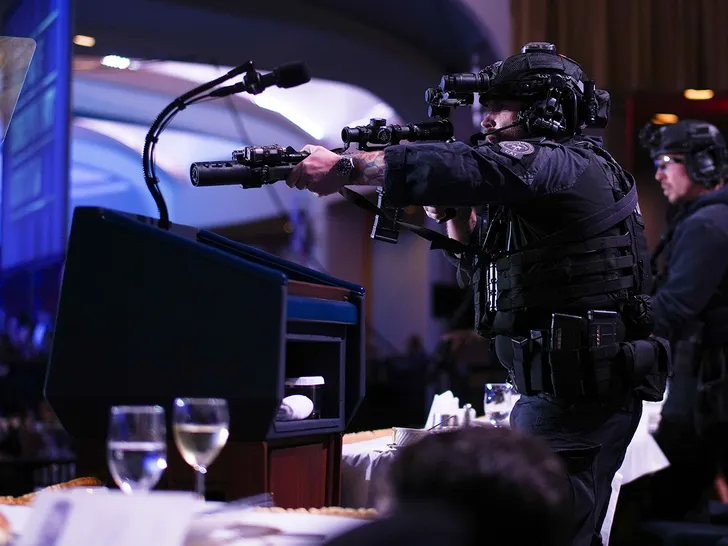
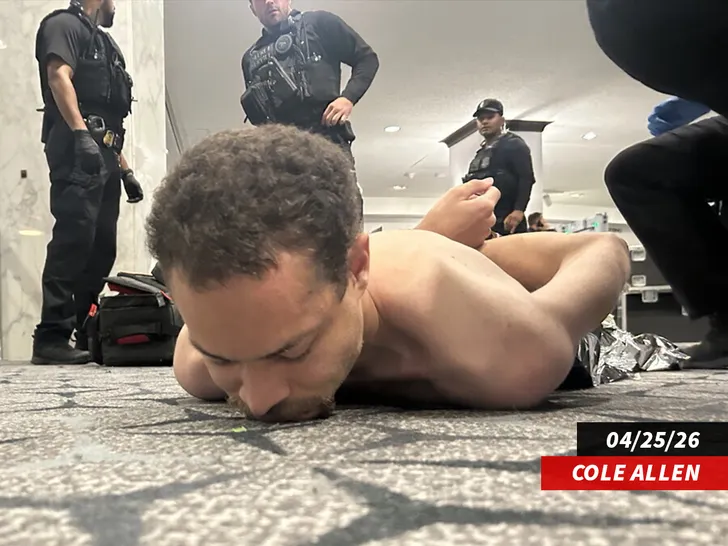
D.C. Metropolitan Police later identified the armed suspect as 31-year-old Cole Allen. Interim Chief Jeff Carroll said Allen was taken into custody, then transported by ambulance to a hospital for evaluation. Authorities noted that Allen was not struck by gunfire. Those bare facts answered immediate safety questions but did little to quiet the emotional echo for witnesses, especially someone whose last experience with a gunman ended in widowhood.
For Erika, the evening had begun as a return to the spotlight in a room where politics, media, and influence converge. The Correspondents’ Dinner is built on prestige, seating charts, and whispered power plays. Her appearance alongside Republican figures placed her squarely in that orbit again, a visible part of the post-Charlie Kirk conservative world.
By the time she reached the sidewalk, her public image had shifted into something more vulnerable. The clip of her pleading to go home raced across social feeds, framed not as political theater, but as a woman abruptly transported back to the worst night of her life. The tension between public role and private trauma was on full display within seconds.
In a city that often treats the Correspondents Dinner as a costume party for power, Erika Kirk’s tearful evacuation pierced the performance. The questions that linger now sit at the intersection of security, grief, and the human cost for the families who stand beside Washington’s most polarizing figures.
How do you see Erika Kirk’s emotional exit reshaping the conversation around security, grief, and the families who live inside America’s political spotlight?