

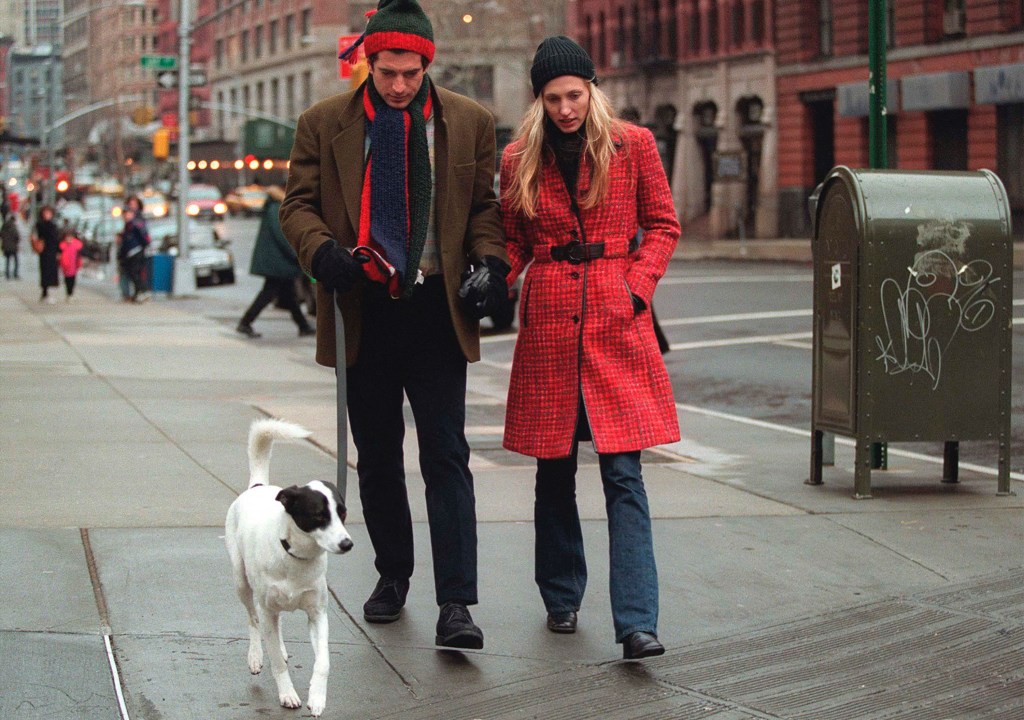
Ryan Murphy’s new FX series “American Love Story” returns John F. Kennedy Jr. and Carolyn Bessette to the place that made them mythic. It is not just a love story. It is a New York story about a couple who could not escape the cameras or each other.
TLDR
The new Ryan Murphy series about John F. Kennedy Jr. and Carolyn Bessette revisits their glamorous New York life and the unrelenting media attention that helped define and destabilize their marriage.
Recreating a 1990’s Manhattan Dream
More than 25 years after their deaths, the most photographed couple of the late 1990s is back on the streets of Manhattan, this time as characters. “American Love Story” was filmed all over New York City, turning real blocks into a memory play of Tribeca lofts, downtown parks, and subway stairwells that once framed their real lives.
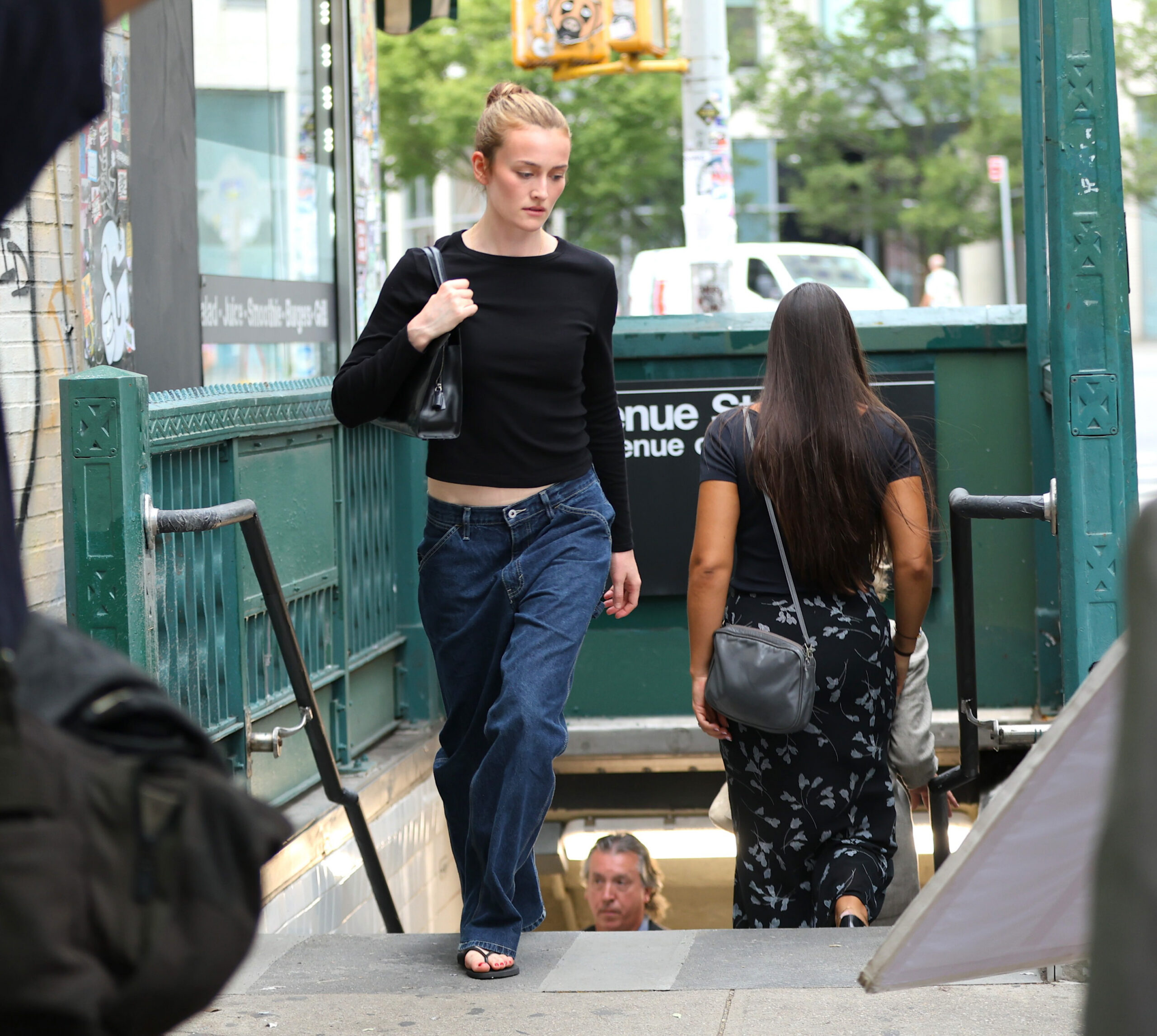
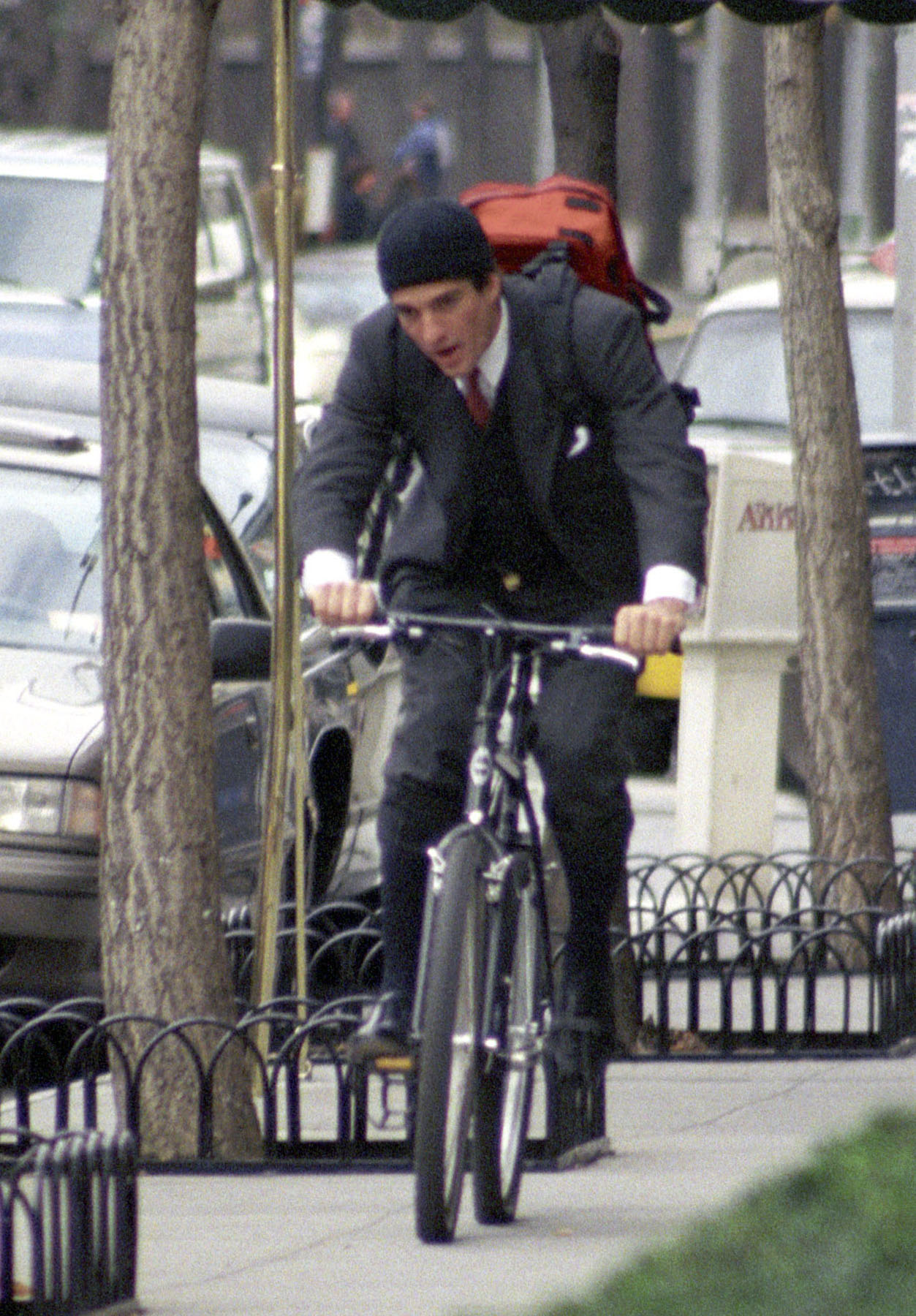
Paul Kelly steps into Kennedy’s well-worn loafers. Cameras catch him cycling through the city in a suit and backward baseball cap, or running shirtless across Central Park lawns. Sarah Pidgeon, as Bessette, emerges from the subway in baggy jeans and flip-flops, head down, sunglasses on, radiating the quiet, minimalist cool that turned a Calvin Klein publicist into a global style reference point.
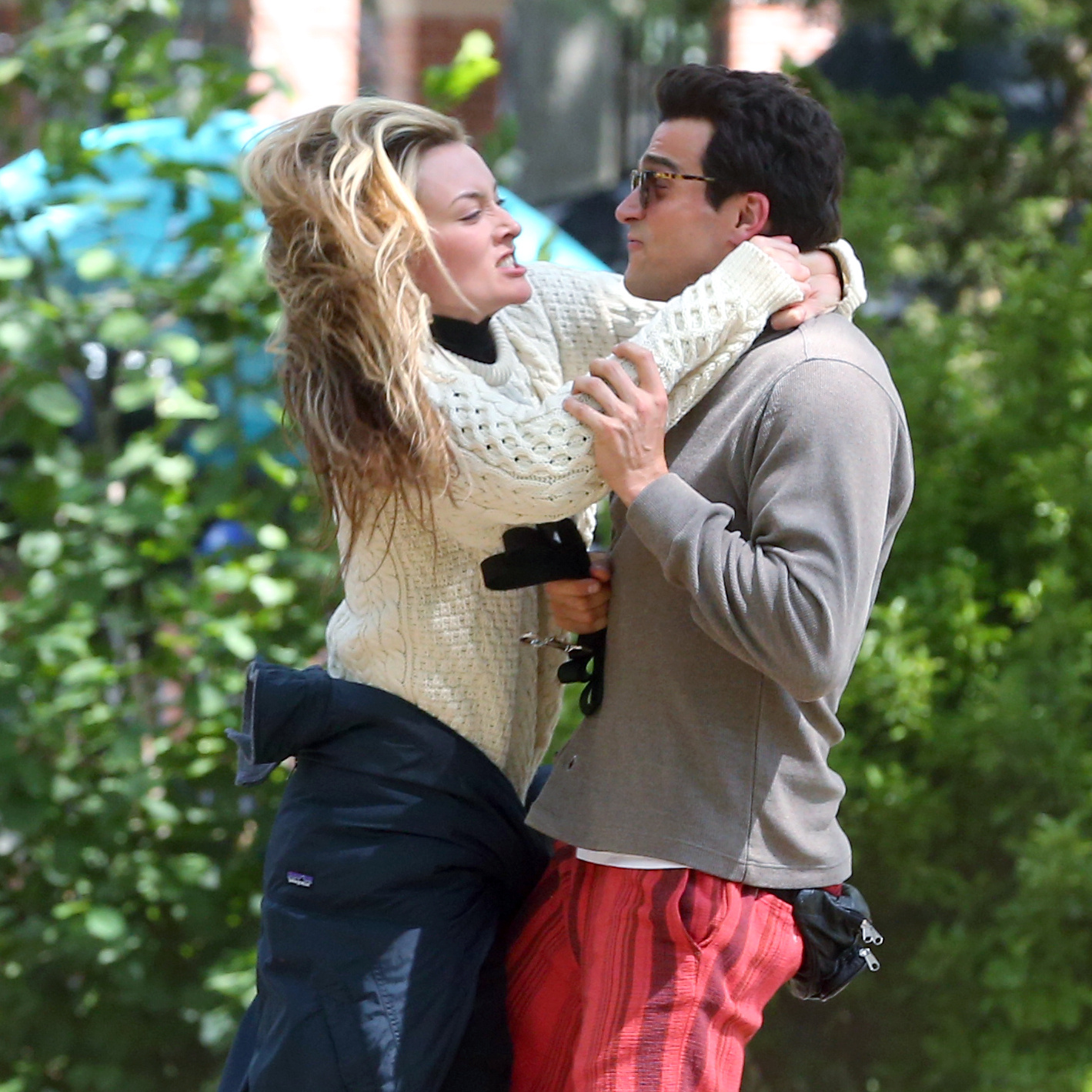
The production even restages one of the most uncomfortable chapters in their public marriage, the 1996 argument in Washington Square Park. In the real photographs, Bessette shoves her fiance and he appears to reach for the engagement ring on her finger. The images were splashed across tabloids and filed away in the culture as proof that even fairy tales can fray in broad daylight.
What “American Love Story” keeps circling is how little privacy they actually had. Paparazzi followed Kennedy into some of his most personal failures, including the times he took and failed the bar exam. Photographers reportedly peered through windows while he studied and waited for results, then documented the moment he finally passed on his third attempt.
In the 1990s, New York still promised a kind of urban anonymity for movie stars and models who could blend into the crowd. That was before social media, before every bystander carried a camera in their pocket, and before “oversharing” became a career strategy. Yet anonymity was never an option for the prince of Camelot.
The country imprinted on him early. The image of three-year-old John-John saluting his father’s casket in Washington created a permanent bond between the boy and millions of Americans. Decades later, being named Sexiest Man Alive by People magazine turned the grieving child into a grown-up national crush.
The Man Who Courted Cameras
On screen, Kennedy complains about the relentless swarm of photographers shadowing his every move. Off-screen, people who knew him paint a more complicated picture. He resented the intrusion but did not always resist the attention.
“If he was not in the papers for a short period of time, I guarantee you, no matter what the weather, he would be outside playing football with his shirt off,” his friend Steven Gillon, author of “America’s Reluctant Prince,” once told the New York Post. “He liked the attention.”
Spotting him in the city became a neighborhood sport. He biked instead of using a car service, walked his dog on Friday near his North Moore Street loft, and ran along the Hudson with the ease of a local rather than a protected heir. According to People magazine’s “The Private World Of John F. Kennedy Jr.”, that everyman streak, the willingness to step into the same streets as everyone else, was a key part of his charm.
There was a ripple effect whenever he stepped indoors. In “JFK Jr: an Intimate Oral Biography” by Rosemarie Terenzio and Liz McNeil, hairstylist Frederic Fekkai recalled that people were “glued” to the windows when Kennedy walked into his salon. Customers who had been flipping through magazines suddenly watched the real-life cover star in the chair.
Even when he was not physically on screen, he was a presence. Kennedy never appeared in the “Seinfeld” episode “The Contest,” but “John John” was the unseen heartthrob around whom Elaine’s storyline was built. For network television, merely invoking his gym routine was enough to send an audience into knowing laughter.
That mix of heritage, celebrity, and accessibility made him magnetic. “American Love Story” leans into that charisma, showing how Kennedy moved through the city with an almost reckless confidence that the attention would always be affectionate, never truly dangerous.
Carolyn Caught in the Flash
Carolyn Bessette entered that spotlight from a very different angle. Raised in Greenwich, Connecticut, she grew up outside the dynastic swirl that defined Kennedy’s life. She worked as a publicist at Calvin Klein, quietly earning a reputation inside fashion circles for sharp instincts and effortless style rather than for her last name.
Author Edward Klein wrote in “The Kennedy Curse” that Vogue editor Anna Wintour considered putting Bessette on the magazine’s cover, while Ralph Lauren reportedly tried to lure her away from Calvin Klein as a personal muse. Her uniform of black turtlenecks, simple slip dresses, and barely there makeup made her an anti-celebrity in a decade of maximalist supermodels.

Dating Kennedy changed everything. What had been a professional asset, her understated beauty, turned into the hook for an entire cottage industry of photographers and tabloid copy. When she married into America’s most scrutinized political family in 1996, Bessette went from being the woman behind the images to the woman inside them.
The couple chose an airy loft on North Moore Street in Tribeca, then a quieter enclave known mostly to artists and a handful of downtown actors. Their presence gave the neighborhood a new kind of cool, but it also gave paparazzi license to camp out on cobblestone streets that were not built for that kind of siege.
According to Gillon, Kennedy never installed the kind of doorman or private rear entrance that might have shielded his wife. Photographers rented an apartment across the street to keep a constant watch on the couple. One even tried to come down their chimney. The harassment toward Bessette in particular could be vicious, with some paparazzi shouting insults to provoke a flinch, a glare, any human reaction they could sell.
On “American Love Story,” that imbalance becomes a fault line in the marriage. He is the golden boy who had been bathed in public attention since birth. She is the civilian who marries him and discovers that the glare does not dim when the romance goes home, and the door closes. Gillon has said one of Kennedy’s failings was that he did not fully grasp how brutal that transition would be for her.
A Love Story Frozen in Time
Their story ended in the same compressed, sudden way that it had always been experienced by the public, as a headline. In July 1999, Kennedy piloted a small plane that crashed into the Atlantic Ocean off the coast of Martha’s Vineyard, killing him, Bessette, and her sister, Lauren.
According to History.com, the NTSB concluded that Kennedy lost control of the aircraft in hazy conditions, citing pilot error after determining that he was not qualified to fly solely by instruments at night over water. The decision to fly that evening turned a generation’s favorite couple into another chapter in the Kennedy family tragedy.
Reports at the time suggested he had recently moved into the Stanhope Hotel on the Upper East Side, not far from his childhood home, while he and Bessette struggled to agree on what it meant to raise a family in a spotlight that showed no signs of dimming. Whether or not “American Love Story” dramatizes those late marital tensions, the series arrives with the benefit and burden of hindsight.
When FX ordered “American Love Story” as an anthology about headline-making romances, the network positioned itself to revisit relationships that belonged to the public as much as to the people inside them. According to Deadline’s report “FX Orders American Love Story, American Sports Story Limited Series From Ryan Murphy”, the franchise was designed to examine how love, fame, and media obsession intersect.
The Kennedy and Bessette chapter may be the most bittersweet of all. It asks viewers who watched their engagement, their secret Cumberland Island wedding, and their street-corner arguments in real time to reconsider what they were truly seeing. Were we witnessing a couple who could not resist attention, or two people trying to build a private life in a city that had already claimed them as its own?
What remains, as the series reminds us, is a towering stack of images. Kennedy ducking into the subway. Bessette wrapped in a black coat on a windy downtown corner. The two of them walking the dog near their building, half-smiling, half-braced. “American Love Story” cannot change how it ended. It can only slow the frames, linger on the looks between flashes, and invite a new generation to decide what kind of love story it really was.
Join the Discussion
When you think back on John F. Kennedy Jr. and Carolyn Bessette, do you remember the romance, the relentless media attention, or both in equal measure?
References