

The applause at a pre-Grammy gala was loud. The silence on a late-night couch was louder.
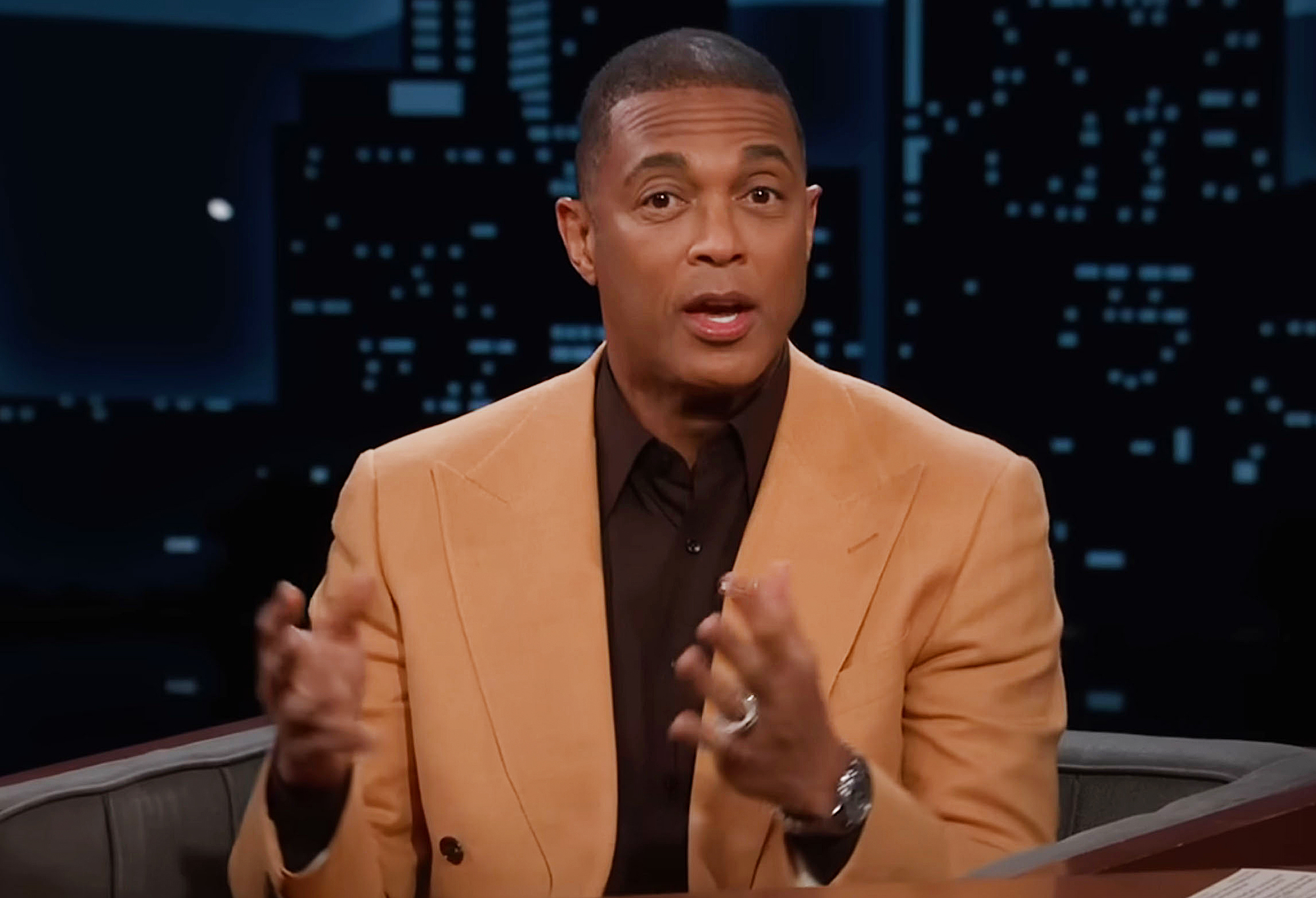
Days after walking out of jail on federal charges, Don Lemon chose a familiar stage, the set of “Jimmy Kimmel Live!”, to describe being yanked out of his hotel and into a legal fight he insists is about more than just him.
He is a 30-year TV veteran, a former CNN prime-time anchor, a man used to asking the questions. On this night, with cameras rolling and an audience leaning in, he became the story.
Inside the Late Night Confession
According to Page Six, Lemon sat across from Jimmy Kimmel and admitted he is still processing what happened after he reported from an anti-ICE protest at Cities Church in St. Paul, Minnesota, in January.
“I do not know. I am OK, but I am not going to let them steal my joy, but this is very serious; these are federal, criminal charges,” Lemon, 59, told Kimmel.
Kimmel, who has long joked about the former president’s feud with Lemon, reminded him that he has “not been a favorite” of Donald Trump since his CNN days. “You are not on his Top 10 list,” Kimmel quipped.
Then the conversation shifted from punchlines to press freedom. Kimmel asked the question that has been hanging over the entire case. What is the difference between a protester and a credentialed journalist walking into a church during a tense demonstration?
Lemon did not hesitate.
“What I will say is that I am not a protester. I went there to be a journalist. I went there to chronicle and document and record what was happening.”
Don Lemon rails against hotel arrest on ‘Jimmy Kimmel Live’: ‘They want to intimidate you’ https://t.co/oHX7OC1iEq pic.twitter.com/9W3jxlzwJg
— Page Six (@PageSix) February 3, 2026
He explained that he followed one group inside, staying close to the action so viewers could see it for themselves. “I do think there is a difference between a protester and a journalist,” he added.

From Church Protest to Hotel Arrest
The arrest itself did not happen in the middle of the chaos. It came later, in a hotel corridor.
Page Six reports that after Lemon’s coverage of the anti-ICE protest, federal agents tracked him to his Los Angeles hotel following an event. He says he had already offered to turn himself in, which is why the way it unfolded still stuns him.
On Kimmel’s couch, he remembered a surreal, almost cinematic moment.
“All of a sudden, I feel myself being jostled and people trying to grab me and put me in handcuffs,” he recalled, saying around a dozen agents closed in to arrest him.
To Lemon, it felt like staging, not necessity. He described the operation as “a waste of resources” because he had made clear he was willing to surrender peacefully.
He believes the point was not just to bring him into custody, but to send a message.
“They want to embarrass you, they want to intimidate you, they want to instill fear. And so that is why they did it that way.”
The charges he faces are serious. According to Page Six, Lemon has been charged with conspiracy to deprive rights and with violating the federal FACE Act, which prosecutors say covers interference with another person’s First Amendment rights during the protest at the Minnesota church.
Inside the Cell, and the Apple Watch Lifeline
Once Lemon was taken into custody, the spectacle gave way to something smaller and more isolating. He was placed in a holding cell for roughly 12 hours, he said, and alleges that his one phone call never came.
Instead, he turned to the one device agents apparently overlooked.
Page Six reports that Lemon used his Apple Watch to send voicemails to his attorney and to his husband, real estate broker Tim Malone. In a moment when he felt cut off, the tiny screen on his wrist became his only line to the outside world.
That combination of high-stakes federal power and low-tech workaround is part of why this story has gripped so many longtime viewers. For years, viewers saw Lemon in tailored suits, under studio lights, narrating history from behind a desk. Now they are picturing him whispering into a watch in a holding cell.
The Legal Fight and First Amendment Stakes
Lemon is not trying to handle the legal side alone. His attorney, Abbe Lowell, released a statement defending both his record and his actions that day at Cities Church.
According to the statement, shared on social media and cited by Page Six, Lowell said, “Don will fight these charges vigorously and thoroughly in court.”
Lowell argued that Lemon’s work in Minneapolis fell squarely inside the role of a journalist, not an activist.
“Don has been a journalist for 30 years, and his constitutionally protected work in Minneapolis was no different than what he has always done. The First Amendment exists to protect journalists whose role it is to shine light on the truth and hold those in power accountable.”
That framing is critical for Lemon’s public image. For some viewers, he is still the steady face who guided them through elections, protests, and late-night breaking news. For his critics, he is a polarizing figure whose commentary blurred the line between reporting and opinion.
This case, and the way he tells it, asks audiences to decide which version of Don Lemon they believe they are seeing now: the crusading journalist, the targeted critic, or something in between.
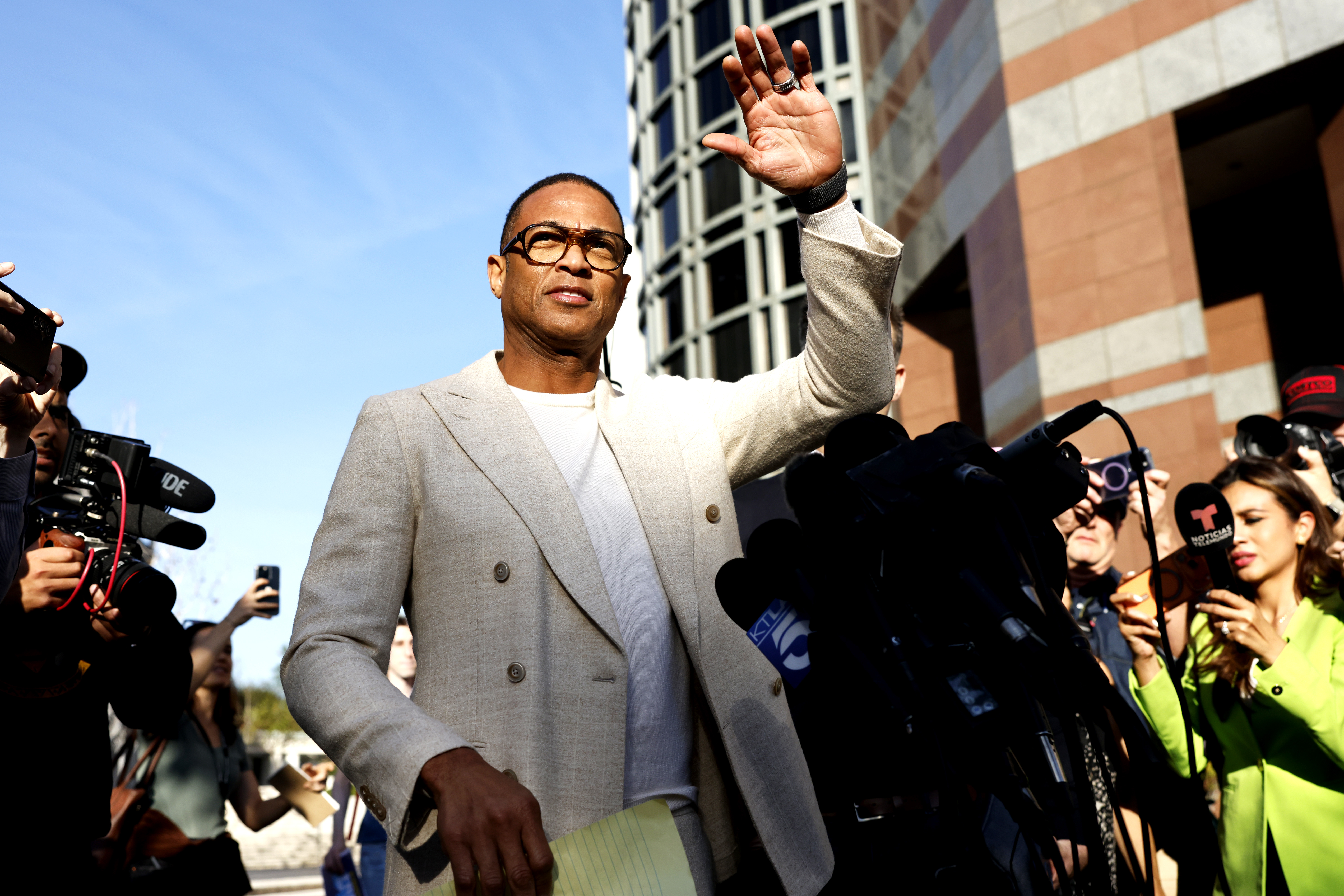
Outside the courthouse after his release, Lemon stayed on message. According to Page Six, he told reporters, “I have spent my entire career covering the news. I will not stop now.”
He invoked the same constitutional protections his lawyer cited.
“The First Amendment of the Constitution protects me and countless other journalists who do what I do. I stand with all of them, and I will not be silenced. I look forward to my day in court.”
From Jail to the Grammys, and What Comes Next
If the arrest was meant to sideline him, Lemon has done everything he can to project the opposite.
Page Six reports that he received a standing ovation when he stepped into Clive Davis’ star-packed pre-Grammy gala, just days after leaving jail. The message, at least from that glittering room, was clear. Many in the industry are still in his corner.
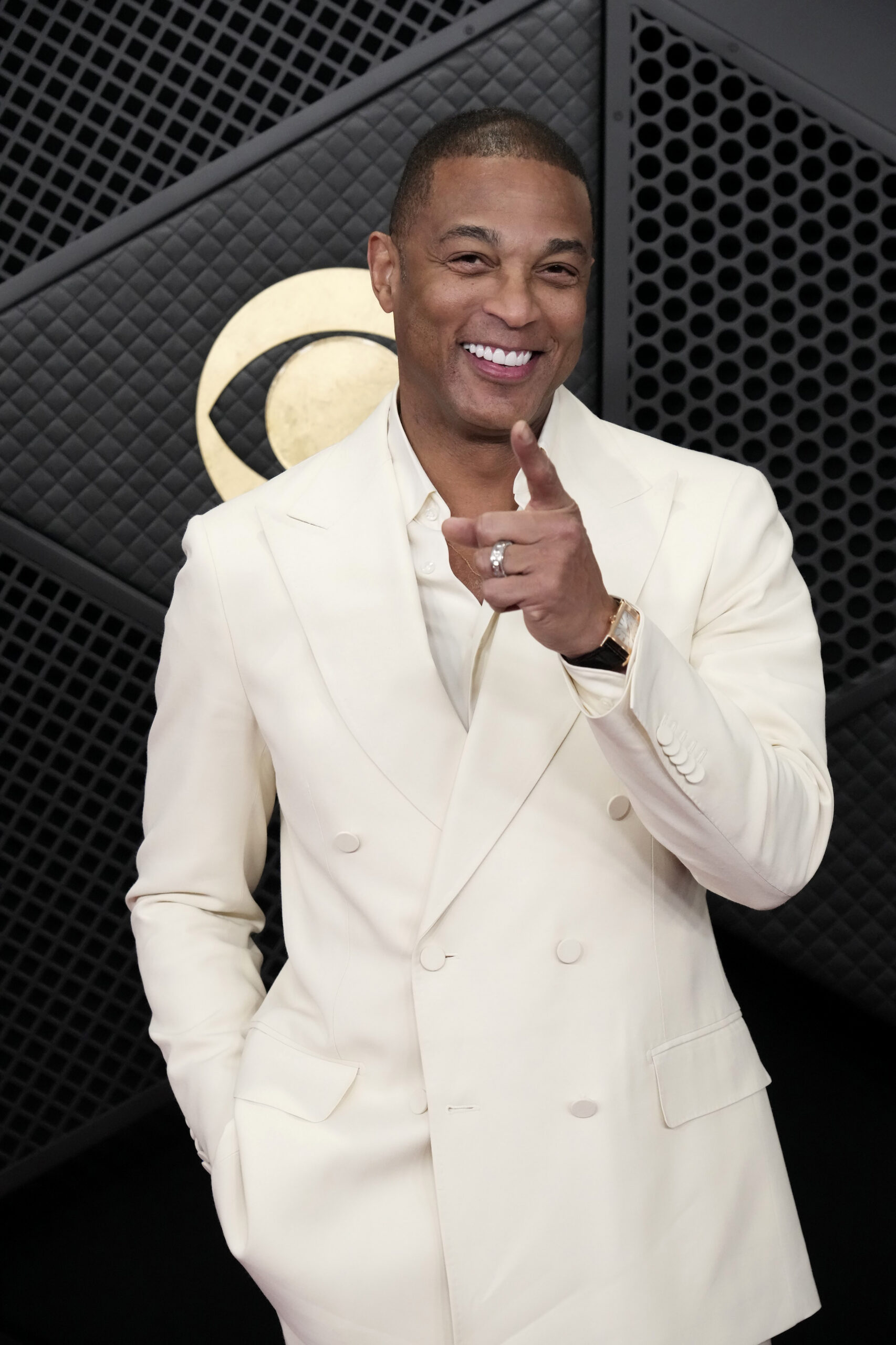
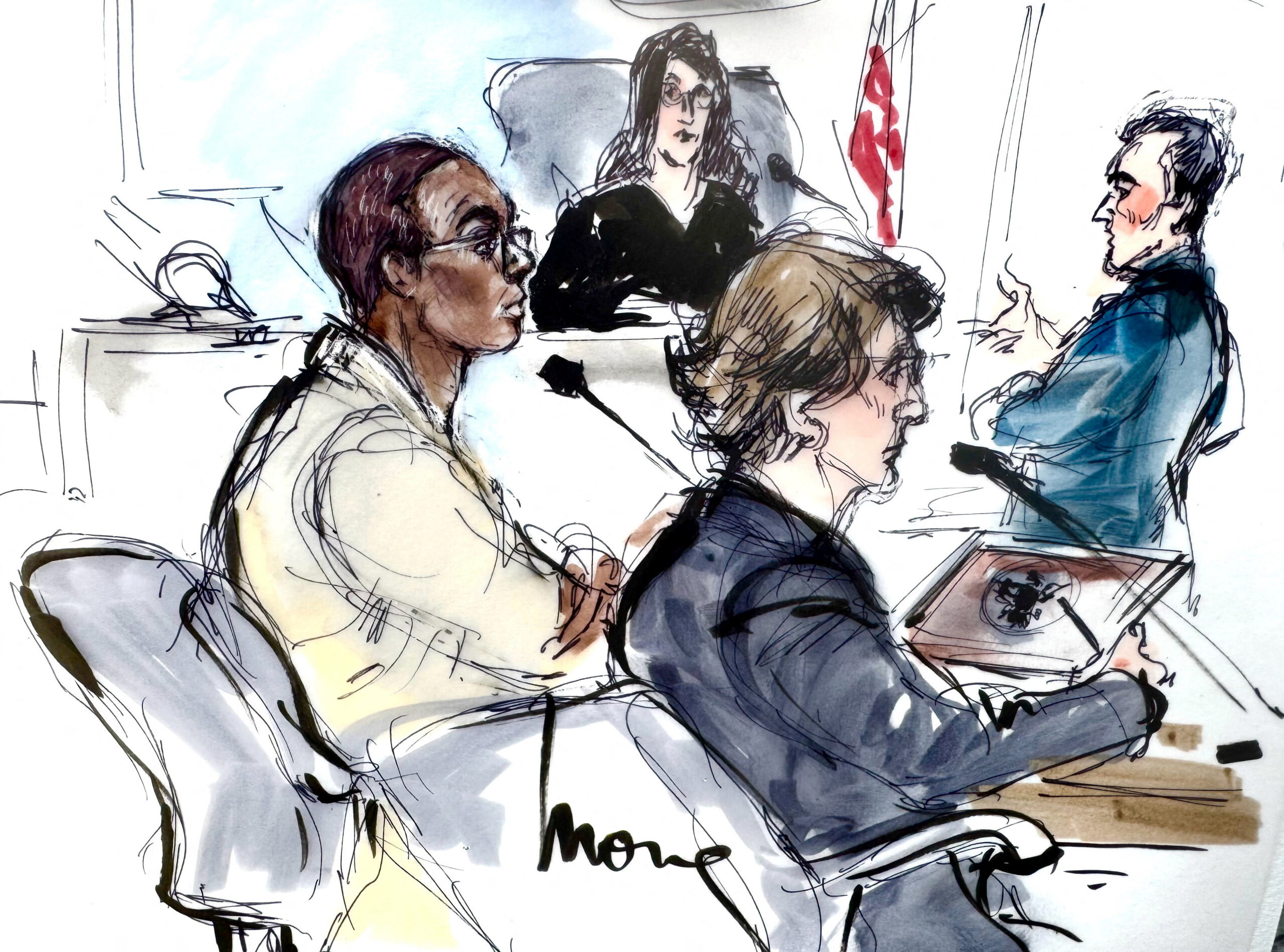
The optics are striking. One week, an illustration of him appears in a courtroom sketch, hands folded in front of a judge. Soon after, cameras catch him smiling under award show lights, waving to fans outside a Hollywood theater, and sliding into a late-night guest chair to reclaim his own narrative.
For a Gen X and Boomer audience that has watched Lemon for decades, the contrast hits an emotional nerve. This is the same familiar face, but his fight is no longer only about ratings or network politics. It is about his record, his rights, and what it means to do his job in an era when journalism itself can land you in handcuffs.
Lemon insists he will keep going. The charges will play out in court. The public debate will keep playing out on screens, stages, and social feeds.
On that late-night couch, he distilled the whole saga into one determined promise. He has spent his life covering the story. Now that he has become it, he is not stepping offstage.