



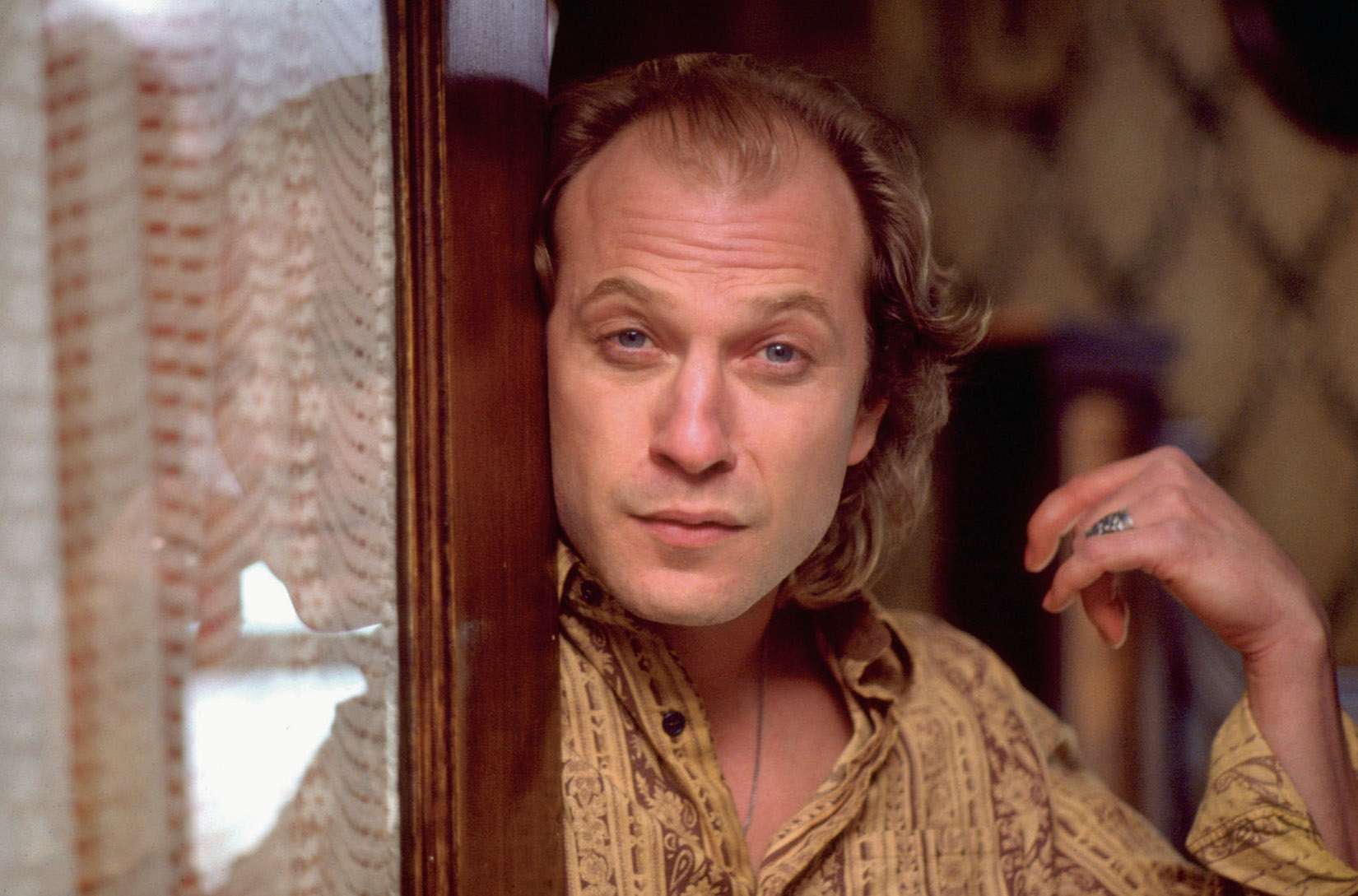
When “The Silence of the Lambs” premiered in 1991, Ted Levine’s Buffalo Bill became one of cinema’s most unsettling villains. More than three decades later, Levine is publicly questioning what that performance meant for transgender viewers who saw themselves reflected in the film’s monster.
TLDR
Levine now says his infamous 1991 villain helped reinforce harmful ideas about gender, even as he maintains he approached the role as a damaged heterosexual man rather than a gay or transgender character.
A Horror Classic under New Scrutiny
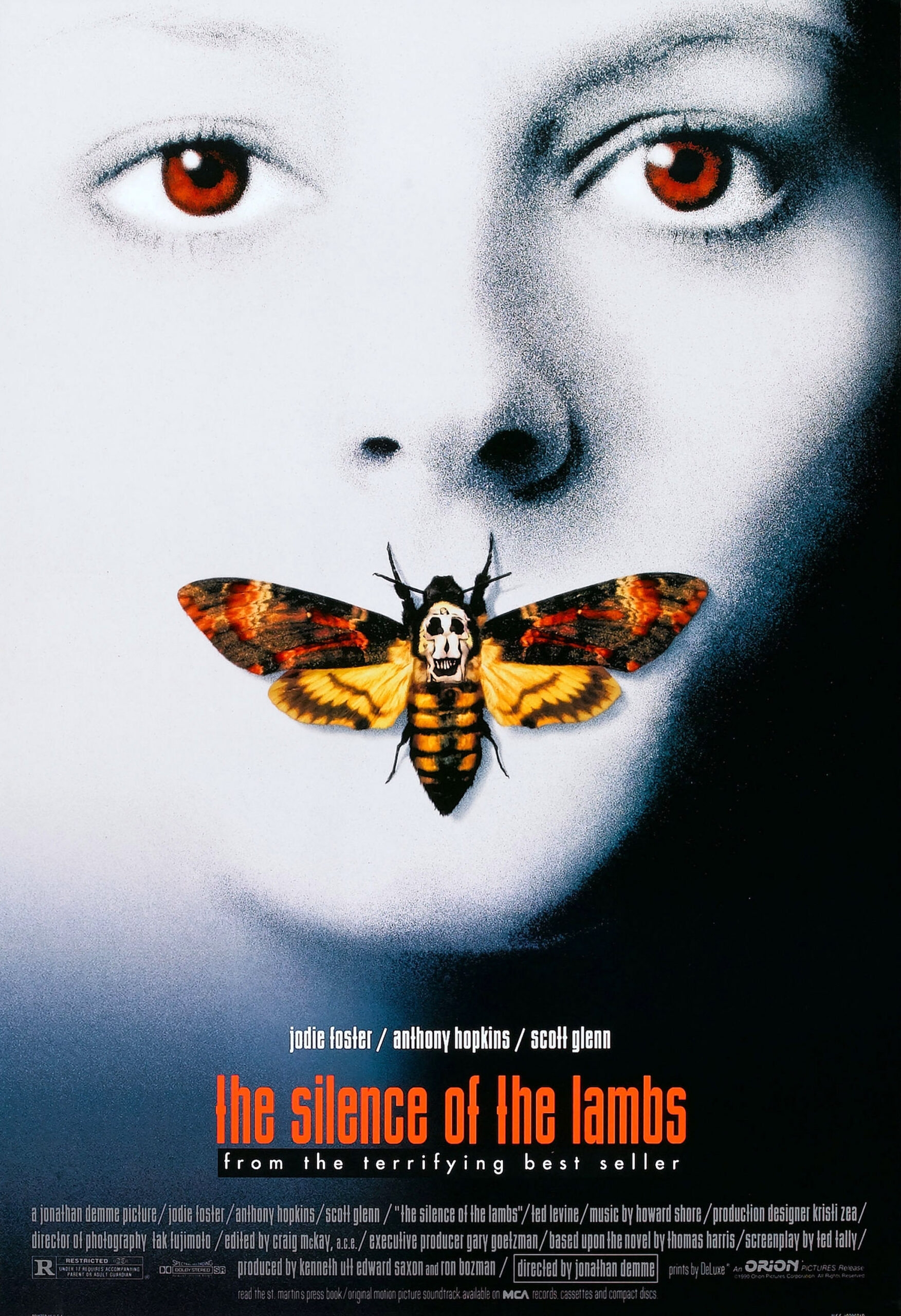
“The Silence of the Lambs” arrived as a sleek psychological thriller, anchored by Jodie Foster’s determined FBI trainee Clarice Starling and Anthony Hopkins’ chilling Hannibal Lecter. Levine, then a working character actor, found his breakthrough in the smaller but unforgettable role of serial killer Jame “Buffalo Bill” Gumb.
The film followed Starling as she sought Lecter’s help to track Buffalo Bill, a murderer who abducted women and killed them to use their skin. The character’s obsession with transformation, his tucked dance in a self-made skin suit, and his talk of wanting a “change” quickly lodged in the cultural imagination.
Directed by Jonathan Demme, the movie became a global phenomenon. According to Oscars.org, it went on to sweep the so-called “big five” Academy Awards, winning best picture, best director, best actor, best actress, and best adapted screenplay at the 64th Academy Awards. That success cemented its place as a modern classic and burned its imagery into the memories of Gen X and Boomer audiences.
But the same details that made Buffalo Bill unforgettable also drew criticism from transgender viewers and advocates, who argued that one of the few gender-nonconforming characters on screen was presented as a grotesque killer rather than a human being.
Buffalo Bill and Trans Representation
In the years since its release, the portrayal of Buffalo Bill has been scrutinized for the way it blurs gender identity, mental illness, and violence. The character is never explicitly identified as gay or transgender in the script, yet his presentation reads as gender-nonconforming to many viewers, from his styling choices to the way other characters talk about him.
For a generation that grew up with very few trans or gender-nonconforming characters on mainstream screens, Buffalo Bill became a powerful, unsettling image. Critics and members of the transgender community have long argued that the film contributed to a pattern. Gender variance was associated with deviance and danger, while fully realized transgender characters were nearly invisible in studio movies.
Those concerns have only grown more pointed as conversations around representation have evolved. A film that once felt like a pure exercise in suspense now doubles as a document of how Hollywood framed gender in the early 1990s, and of how those images land decades later with communities that were rarely consulted.
Levine Reconsiders His Breakthrough Role
In a new interview looking back at the film’s 35th anniversary, Levine confronts the legacy of the character that made him famous. Speaking to The Hollywood Reporter, he acknowledges that time and experience have changed the way he sees parts of “The Silence of the Lambs.”
“There are certain aspects of the movie that do not hold up too well,” he said, reflecting on how the story handles gender. He explained that his own understanding has shifted, adding, “We all know more, and I am a lot wiser about transgender issues. There are some lines in that script and movie that are unfortunate.”
Levine credited that change in perspective to working alongside transgender colleagues and listening to their experiences. “It is just over time and having gotten aware and worked with trans folks, and understanding a bit more about the culture and the reality of the meaning of gender,” he said.
At one point, Levine directly addresses how the story ties gender nonconformity to monstrosity. “It is unfortunate that the film vilified that, and it is wrong. You can quote me on that,” he told the outlet, drawing a firm line between his affection for the film as a piece of craft and his discomfort with what it communicated about gender.
“It is unfortunate that the film vilified that, and it is wrong,” Levine said of how the story connects gender nonconformity to Buffalo Bill’s violence.
Separating Intent From Impact
Even as he takes issue with parts of the film, Levine is careful to defend his specific choices as an actor. He insists that he did not approach Buffalo Bill as a gay or transgender character, but as someone whose violent pathology had little to do with any real-world identity.
“I did not play him as being gay or trans. I think he was just a very damaged heterosexual man. That is what I was doing,” he explained, making clear that in his mind the character’s crimes came from severe psychological disturbance, not sexuality or gender identity.
That gap between intent and impact is where the debate around Buffalo Bill now lives. Levine, Demme, and their collaborators believed they were creating a singular, “aberrant” villain whose behavior was not meant to stand in for any group. For many transgender viewers, the effect was different, especially in a media landscape where gender-nonconforming characters were often coded as unstable or predatory.
The result is a familiar tension for legacy-defining roles. Levine’s performance remains one of the most chilling in modern film, a showcase of physical and psychological transformation that changed his career. At the same time, he is now publicly acknowledging that the story around that performance carried a cost he did not fully understand in 1991.
Filmmakers Express Regret Without Malice
Levine is not the only one reconsidering the film’s handling of Buffalo Bill. Edward Saxon, who produced “The Silence of the Lambs” and worked closely with the late Jonathan Demme, has also reflected on how the character was framed.
Saxon told The Hollywood Reporter that their north star at the time was fidelity to Thomas Harris’s novel. “We were really loyal to the book. As we made the film, there was just no question in our minds that Buffalo Bill was a completely aberrant personality, that he was not gay or trans,” he said.
He now sees how that creative intention did not fully translate to audiences. “He was sick. To that extent, we missed it. From my point of view, we were not sensitive enough to the legacy of a lot of stereotypes and their ability to harm,” Saxon admitted.
Saxon insisted that there was no hostility toward LGBTQ people behind the camera. “There is regret, but it did not come from any place of malice. It actually came from a place of seeing this guy. We all had dear friends and family who were gay. We thought it would just be very clear that Buffalo Bill adapts different things from society, from a place of an incredibly sick pathology,” he said.
Those comments sketch a portrait of a creative team that believed they were operating in a morally neutral space, then watched as the culture around them changed and their work was reinterpreted. It is a dynamic familiar to many films from the 1990s, which are now being reevaluated for how they represent race, gender, and sexuality.
Legacy, Accountability, and a Lasting Image
The image of Buffalo Bill descending the basement stairs with night-vision goggles or preening in front of the mirror has never really left pop culture. The character is invoked in stand-up routines, crime shows, and Halloween costumes. That ubiquity is part of why Levine’s new comments matter. They acknowledge that the character’s power extended far beyond the frame, especially for viewers who saw their gender expression linked to horror.
For Levine, publicly reconsidering Buffalo Bill is a delicate act of reputation management. He is not disowning the film that made him widely known, nor is he rewriting history to suggest he saw all of this coming. Instead, he is allowing that it is possible to be proud of the craft and still critical of the message, and to say so out loud.
For the filmmakers and the audience that embraced “The Silence of the Lambs,” the conversation around Buffalo Bill is another reminder that even beloved classics can carry complicated legacies. The film can still be admired as a landmark thriller, while its portrayal of gender is held up to a brighter, more informed light than existed in 1991.
Join the Discussion
How has your view of Buffalo Bill and “The Silence of the Lambs” changed over the years, and does Levine’s new perspective shift how you see the film today?