

In a negotiation that sounded less like infrastructure policy and more like a branding pitch, Donald Trump reportedly floated an extraordinary idea. If New York and Washington wanted a crucial rail project unblocked, he wanted something in return that no developer could buy.
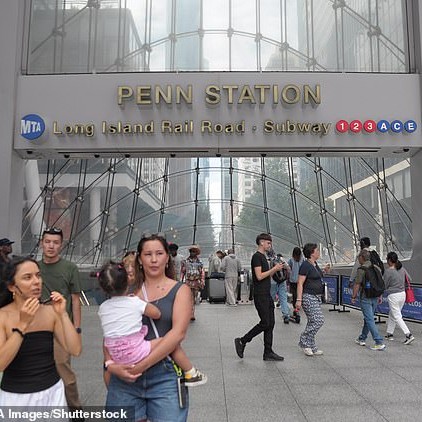
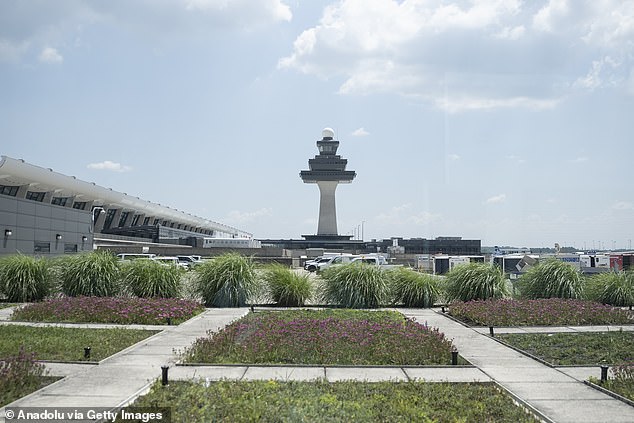
According to reporting cited by Daily Mail, Trump asked about putting his own name on two of the busiest transit hubs in America: New York’s Penn Station and Washington Dulles International Airport. The request, relayed during talks over a massive rail tunnel funding freeze, turned a technical budget battle into a very personal clash over ego, legacy, and who gets to put their name on a city.
For a man whose surname has lit up towers, casinos, and golf clubs for decades, the idea of a Penn Station or a Dulles Airport rebranded in his honor fits a familiar pattern. The difference is that this time, the canvas was not private real estate. It was shared public space.
A President Who Treats Cities Like Real Estate
Trump’s fame was built long before politics. For Gen X and Baby Boomer audiences, he first arrived as the brash New York developer whose name appeared in gold letters on high-rises and hotel facades. Trump Tower in Manhattan became a character of its own, a glossy backdrop for gossip columns, talk shows, and celebrity cameos.
That name, Trump, was never just a last name. It became the product. Over the years, it sat atop casinos in Atlantic City, golf resorts around the world, and licensing deals that put it on everything from office towers to consumer goods. Supporters saw showmanship and success. Critics saw a relentless pursuit of personal branding that sometimes outpaced the underlying business.
When he entered the White House, the country watched to see whether that branding instinct would quiet in the face of public office. Instead, it moved into a new arena, where the canvas was no longer a private skyline but the national stage.
Inside the Penn and Dulles Naming Push
Daily Mail, citing earlier reporting from Politico, described a tense back-and-forth between Trump and Senate Democratic leader Chuck Schumer over the Gateway Tunnel Project. The plan would create a new rail tunnel under the Hudson River, connecting New York and New Jersey, and has been widely framed as essential for the busy Northeast Corridor.
The Daily Mail reported that the Trump administration froze roughly $16 billion in funding connected to the project. Then, during negotiations, administration officials allegedly made a surprising offer. They would move to unfreeze the money if two of the region’s transit crown jewels were renamed in Trump’s honor, specifically Penn Station in New York City and Washington Dulles International Airport outside the nation’s capital.
Trump wanted Dulles Airport, Penn Station named after him — in exchange for releasing federal funds https://t.co/luqQTYgzcZ pic.twitter.com/pFH9Wh4l8W
— Meet the Press (@MeetThePress) February 6, 2026
A source close to Schumer pushed back on the idea that there was any real bargaining to be done. As quoted by Daily Mail, the source said, “There was nothing to trade. The president stopped the funding, and he can restart the funding with a snap of his fingers.” The message was clear. In their view, this was not a classic political compromise. It was an ask centered squarely on personal prestige.
According to the same Daily Mail account, the funding freeze was defended publicly by Trump officials as a move against what they argued were unconstitutional diversity, equity, and inclusion practices. Russ Vought, who served as White House budget director, pointed to those concerns on the social platform X, and the US Department of Transportation said it was reviewing any such practices. Behind closed doors, however, the reported ask around naming rights painted a far more personal picture of what might get the money moving again.
New York Hits Back With Humor and Fury
If the idea was to tempt New York into a grand gesture of flattery, it backfired quickly in public. The Daily Mail reported that New York Governor Kathy Hochul’s press office responded with pure trolling, posting a photoshopped image of Trump Tower rebranded as “Hochul Tower” alongside a single-word caption: “Counteroffer.”
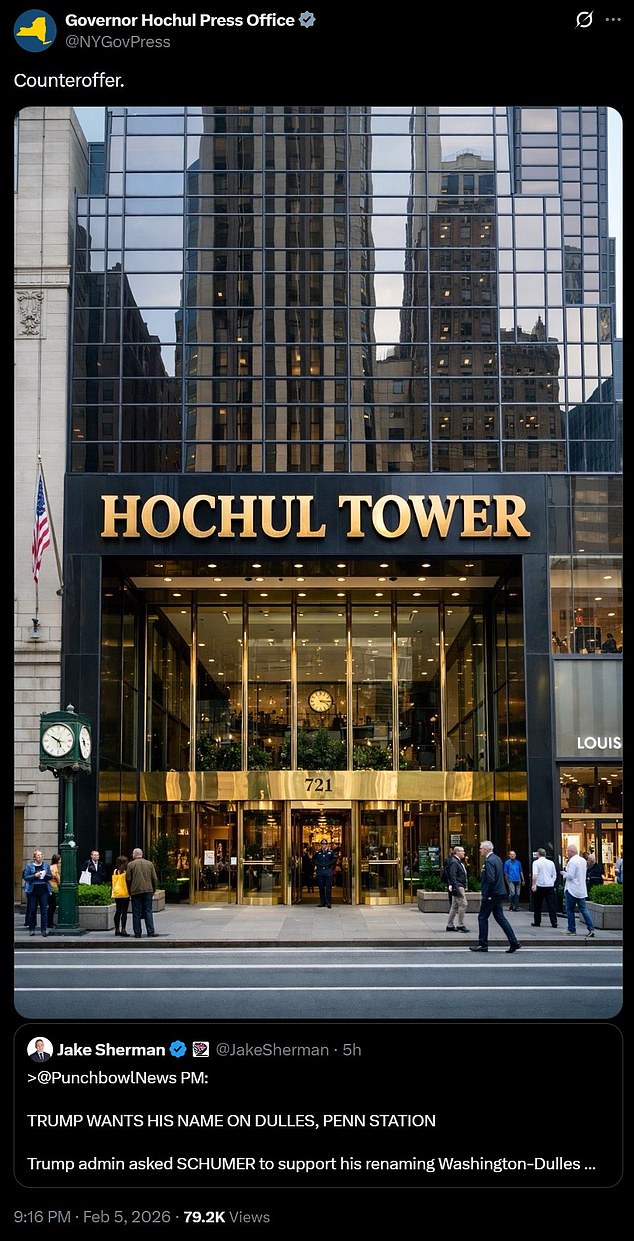
The image did not just mock the proposal. It flipped the power dynamic. Suddenly, Trump Tower, once a symbol of status and control, was the joke subject, casually rewritten with someone else’s name for the sake of a punchline.
Senator Kirsten Gillibrand took a sharper tone. In a statement quoted by the Daily Mail, she said, “These naming rights aren’t tradable as part of any negotiations, and neither is the dignity of New Yorkers.” She went further, tying the reported ask to broader frustrations about the cost of living and stalled investment.
“At a time when New Yorkers are already being crushed by high costs under the Trump tariffs, the president continues to put his own narcissism over the good-paying union jobs this project provides and the extraordinary economic impact the Gateway tunnel will bring.”
Her language captured what many critics have said about Trump’s public image for years. It framed the naming push not as a quirky personal preference but as a symbol of priorities, with workers and commuters on one side, and a personal brand on the other.
Who Owns the Name of a City?
Airports and train stations carry names with history and weight. New York’s John F. Kennedy International Airport, for example, was renamed from Idlewild in honor of a president whose assassination shook the world. These choices are usually made to commemorate a legacy that has already settled into the national story, not to boost the profile of a living dealmaker sitting at the table.
The reported Penn Station and Dulles idea landed differently. It suggested a leader willing to use critical federal funding as leverage for a kind of public monument, one that would turn infrastructure millions of people rely on into a daily billboard for his brand.
For Trump’s supporters, the idea of his name on prominent American landmarks can feel like a natural extension of a life spent in the spotlight. To them, he is a builder, a disruptor, and a figure who already changed the course of the country. For his critics, the alleged ask only reinforces a portrait of a man who sees public power and personal glory as intertwined.
Either way, the proposal brought something that is usually unspoken in politics out into the open. Naming rights are about legacy, memory, and who gets written into the story of a place. When that conversation leaves city councils and donor plaques and moves straight into Oval Office negotiations, the symbolism becomes impossible to ignore.
The Trump Brand and the Limits of Legacy
Trump’s name has been lit up on skylines, printed on planes, and etched into countless brass plates. The reported bid for Penn Station and Dulles would have taken that instinct into new territory, fixing his brand onto spaces millions of Americans pass through without a ticket to a golf resort or a luxury hotel.
New York’s official response, from the “Hochul Tower” joke to Gillibrand’s fierce statement, signaled just how unwilling local leaders were to let that happen. The message from the state that first hosted Trump Tower was blunt. There are lines even a very famous name cannot cross.
The funding fight over the Gateway Tunnel Project, like so many battles in the Trump era, is ultimately about much more than one rail line or one station. It is about how far a celebrity-built brand can reach into shared civic space, and where voters, commuters, and hometown politicians decide the deal simply is not worth the naming rights.
For now, Penn Station is still Penn Station, and Dulles is still Dulles. The tunnels under the Hudson remain the real prize, the kind of unglamorous infrastructure that keeps a region alive. The question that lingers is not whether Trump’s name will end up on the departures board. It is how often future power players will try to turn the map itself into part of their personal brand.