

Nearly seven years after Jeffrey Epstein was found unresponsive in a New York jail cell, a veteran forensic pathologist who stood over his body in the autopsy suite is publicly pushing back on the official story of how he died.
TLDR
Forensic pathologist Dr. Michael Baden, who observed Epstein’s post-mortem on behalf of the financier’s estate, now says the injuries look more like strangulation than hanging and believes the cause and manner of death should be revisited.
Inside the New Epstein Files
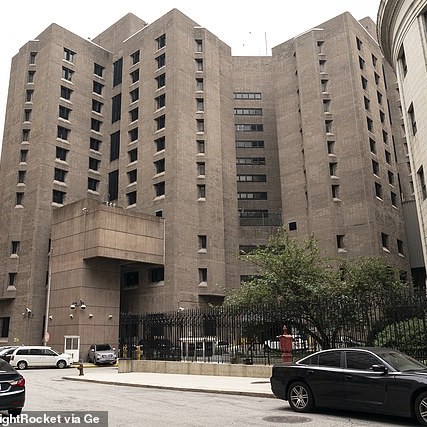
Epstein’s death at the Metropolitan Correctional Center in New York froze one of the most closely watched criminal cases of the 2010s. The financier, jailed on federal sex trafficking charges, never faced a full trial, and his sudden death ignited years of speculation, suspicion, and internet shorthand.
According to reporting by DailyMailUS, a recent release of more than three million pages of files from the US Department of Justice has poured fresh fuel on a case many believed was closed. Buried in that material is never-before-seen video from inside the jail, showing guards moving between a security desk and Epstein’s cell in the final minutes before he was pronounced dead.
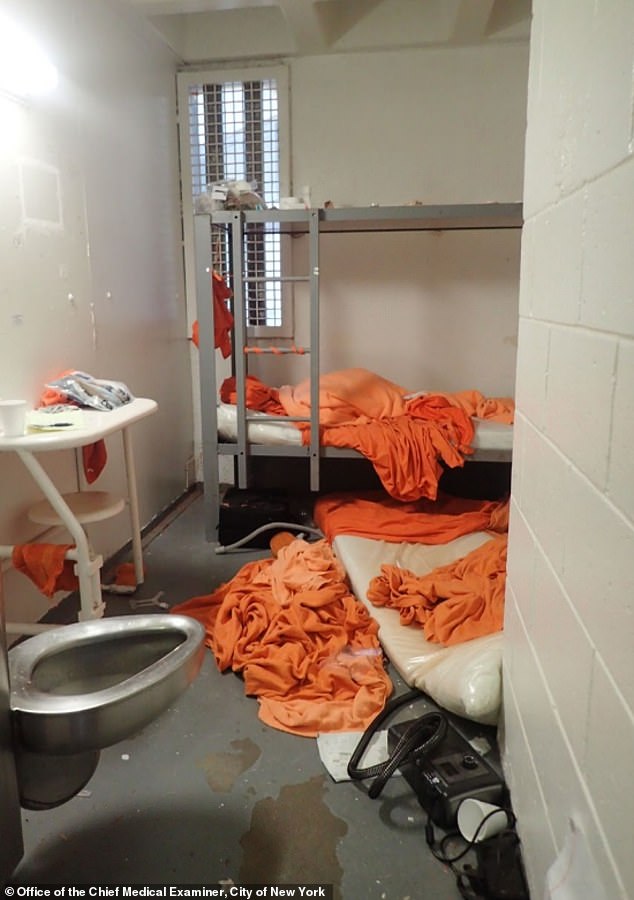
In the footage described in the files, a guard walks toward the area near Epstein’s cell at about 6:30 a.m. on the morning of his death. Within minutes, more staff rush in and out of view. Epstein was officially declared dead at 6:39 a.m., ending a criminal proceeding that had threatened to expose the private behavior of some of the world’s wealthiest and most powerful figures.
The same trove of documents notes that investigators reviewing security footage from the night before his death spotted an unexplained orange blur moving up a stairwell toward the tier where Epstein was housed. That fleeting shape, described in internal notes as an orange flash, would become one more unresolved detail in a case already crowded with them.
Doctor Baden Breaks His Silence
Into this renewed scrutiny steps Dr. Michael Baden, a longtime forensic pathologist whose resume includes work on some of the most high-profile deaths of the last half-century. Baden did not perform Epstein’s autopsy himself. Instead, he was hired by the financier’s estate and observed the official post-mortem on behalf of Epstein’s family.
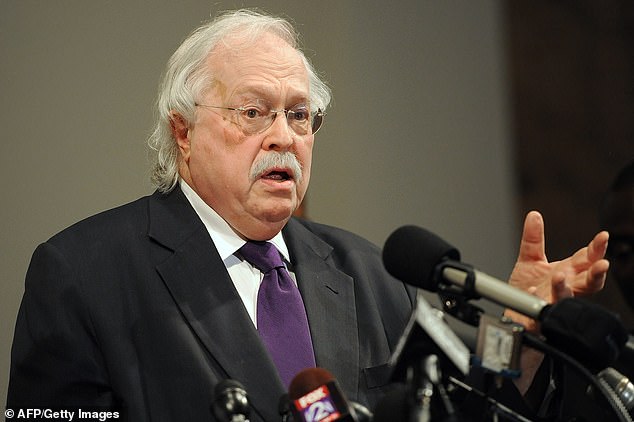
According to The Telegraph, Baden now says the injuries he saw are more consistent with someone who has been compressed around the neck than with a typical suicidal hanging from a low height. He told the outlet, as quoted by DailyMailUS, that “my opinion is that his death was most likely caused by strangulation pressure rather than hanging.”
Autopsy Doctor Disputes Epstein Suicide Ruling, Calls for Reinvestigation
Dr. Michael Baden, who observed Jeffrey Epstein’s autopsy, says the findings were more consistent with homicidal strangulation than suicide by hanging.
He pointed to three distinct neck fractures,… pic.twitter.com/0EgjoWoY4o
— Noah Christopher (@DailyNoahNews) February 13, 2026
Baden added that “given all the information now available, further investigation into the cause and manner of death is warranted.” He said that even at the time of the original examination, he and the New York medical examiner agreed that more information was needed before making a final determination.
Despite his misgivings, the New York City Medical Examiner’s Office ultimately ruled in 2019 that Epstein died by suicide by hanging in his cell. According to Reuters, officials stood by that conclusion after reviewing additional information from federal investigators.
Baden’s new comments do not overturn that ruling. They do, however, introduce a high-profile dissenting voice from inside the autopsy room and give fresh momentum to those who have long argued that the full story of Epstein’s final hours has never been told.
Footage, Orange Flash, and Open Questions
Among the newly described details in the Justice Department files is that mysterious orange shape in the stairwell. According to DailyMailUS, FBI agents reviewing jail video noted an orange form moving up the L Tier stairs toward Epstein’s level at about 10:39 p.m. on the night before his body was found.
Agents reportedly suggested in an internal note that the shape could be an inmate being escorted to that tier. The Justice Department’s Office of the Inspector General, which conducted its own review, offered a different possibility. Investigators there wrote that the jail was on lockdown at the time and that the orange shape might have been someone carrying linen or bedding.

The documents also recount the frantic moments after guards discovered Epstein unresponsive in his cell. Video described in the files shows officers moving quickly between the desk and the cell, then running back and forth as the medical emergency unfolds.
None of this material, on its own, proves that foul play occurred. Officials still publicly maintain that security lapses, exhausted staff, and a vulnerable inmate combined in a tragic result. Yet the addition of incomplete footage, conflicting interpretations of that orange movement in the stairwell, and unanswered questions about the ligature allegedly used have kept the door open for doubts to linger.
It is within that gap that Baden’s voice now echoes. His insistence that the neck fractures and other findings look more like manual pressure than a low-drop hanging does not provide a definitive alternative narrative. It does, however, make it harder for authorities to declare the matter emotionally closed, even if it remains administratively resolved.
Why the Ruling Still Matters
For the women who came forward to describe abuse by Epstein, the way he died cannot erase what they endured. Their testimony and civil cases have continued to reshape the reputations of the powerful figures and institutions that intersected with his world.
Yet the official story of his final hours carries weight. A clear and trusted account would signal that the system can hold even the well-connected to account. A lingering sense of uncertainty does the opposite. It feeds a belief that there is one set of rules for the famous and well-funded, and another for everyone else.
There are reputations at stake on every side. Federal agencies must defend their handling of a prisoner whose case commanded rare public attention. The New York medical examiner’s office, whose rulings are usually accepted without fanfare, now finds one of its conclusions openly disputed by a veteran colleague who watched the same body on the table.
For Baden himself, speaking out is not without risk. To some, his comments will read as a principled stand by an expert who refuses to sign off on a conclusion he does not believe. To others, they may look like an intervention that invites more conspiracy theories into an already volatile conversation.
What remains, beneath the swirl of documents and video stills, is a stark reality. A man who moved in elite social circles and was accused of horrific crimes died in a government facility before a jury could render a verdict. The official cause of death says suicide. A respected pathologist who was in the room says something about the evidence does not fit that label.
Whether those two positions can ever be reconciled will shape not only Epstein’s legacy, but also how the public remembers the institutions that were charged with bringing him, finally, to justice.
Join the Discussion
Do you think renewed challenges to the official ruling on Epstein’s death restore trust in the process, or risk pulling focus away from the survivors who came forward?