

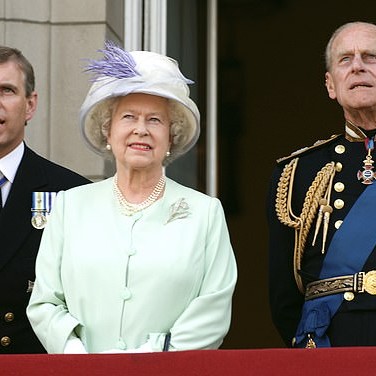
The question is simple, but the answer keeps shifting: who really paid for Prince Andrew’s quiet multimillion-dollar settlement with Virginia Giuffre, and what has it cost the House of Windsor in money, reputation, and trust?
TLDR
Fresh tabloid reports claim family loans helped cover Prince Andrew’s settlement with Virginia Giuffre, while newly circulated Epstein files are reviving questions about royal money, accountability, and whether the prince can ever return to public life.
Family Money and a Secret Deal
When Prince Andrew reached a confidential agreement with Virginia Giuffre in a United States civil case, the court papers did not reveal the figure. British media quickly converged on an estimate in the region of 12 million, a number that has never been officially confirmed but has defined the public imagination of the deal ever since.
Now, new reports from British tabloids claim that the prince, formally styled Andrew Mountbatten-Windsor after stepping back from royal duties, turned to his own family to make the payment happen. According to these accounts, the late Queen Elizabeth II was a key source of funds, with additional money said to have come from the estate of Prince Philip and other royal relatives, while figures close to King Charles III insist he did not contribute personally.
Palace officials have declined to detail who paid what, and the royal household traditionally treats private finances as off limits. That silence has created space for competing narratives. One unnamed insider, quoted in the British press, complained that Andrew had promised to repay family loans once a luxury ski chalet was sold and added that he “has not paid back a penny”.
For a family that has spent decades burnishing an image of duty, thrift, and service, the idea of senior royals quietly assembling a multimillion-pound package to shield one of their own from a courtroom drama is reputationally explosive, whether or not every detail in the tabloid accounts proves accurate.
Newly circulated Epstein-related documents have revived intense scrutiny of Prince Andrew’s past ties and of how his settlement with Virginia Giuffre was funded.
What the Settlement Really Said
The only undisputed facts sit in the public court record. In a filing lodged in a New York court, lawyers for Virginia Giuffre and Prince Andrew told the judge they had reached an out-of-court settlement in her civil sexual abuse lawsuit. According to The New York Times and Reuters, the agreement included no admission of liability by Andrew but did feature a substantial payment and a commitment to support causes benefiting abuse survivors.
Giuffre had alleged that Jeffrey Epstein trafficked her to Andrew when she was 17, accusations the prince repeatedly and firmly denied. The case, which had threatened to proceed to a jury trial, ended with both sides avoiding the spectacle of testimony, cross-examination, and a verdict that would have been broadcast across the world.
The wording of the settlement statement was carefully calibrated. Reports at the time noted that Andrew expressed a wish to help fight the broader evil of sexual exploitation and to support Giuffre’s work on behalf of victims. At the same time, he maintained his denial of the specific allegations against him and avoided any formal finding of wrongdoing.
For the palace, the deal solved one urgent problem. It removed the risk that a serving member of the British royal family would be forced to answer detailed questions about his sex life and his long association with a convicted sex offender in open court. Yet it created another, more lingering issue. Without a trial, nothing was definitively decided in public, and the secrecy around the sum and its source has allowed speculation to flourish.
A Prince in Permanent Exile
By the time the settlement was announced, Prince Andrew’s royal career was already in ruins. In the wake of his disastrous television interview about Epstein, he stepped back from public duties. According to multiple outlets, including Reuters, he later lost his military titles and royal patronages with the approval of Queen Elizabeth II.
Since then, Andrew has largely lived out of sight, often at Royal Lodge in Windsor Great Park, surfacing only for tightly managed family moments. Even at the late queen’s funeral events and King Charles’s coronation, his presence was carefully choreographed and his role sharply limited.
The question of who paid his legal bills and settlement is not just about money. It cuts to the heart of his relationship with the institution that once gave him status, purpose, and protection. If private royal funds were used, that suggests a family willing to absorb enormous financial and reputational costs to avoid a trial. If, as some reports suggest, there were expectations he would repay loans from the sale of personal property, the allegation that nothing has been repaid leaves him looking, in the words of one source, more like a problem to be managed than a prince to be defended.
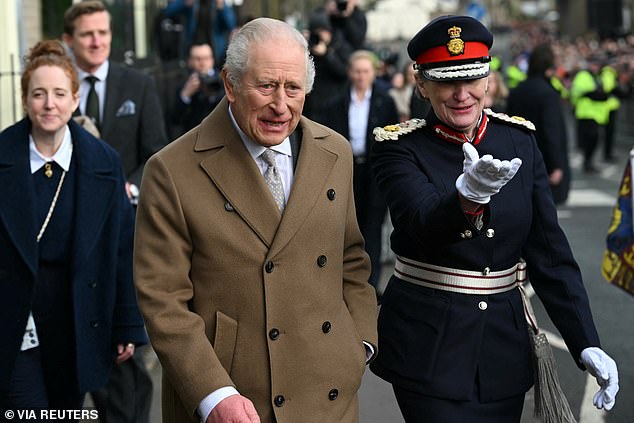
Sources close to King Charles have repeatedly stressed that any decisions about Prince Andrew’s future as a public figure will be guided by what they describe as the long-term health of the monarchy.
For now, the working assumption inside royal circles is that there is no route back to front-line duties. Every fresh headline about the financial architecture of his settlement, or about newly released material from the Epstein files, makes that exile feel more permanent.
Epstein Files and Renewed Scrutiny
The latest wave of coverage has been fuelled by the release of hundreds of pages of previously sealed documents from United States courts, often referred to collectively as the Epstein files. These papers, drawn from old civil cases, include flight records, emails, and testimony that detail how Jeffrey Epstein and his associates moved people through private jets and luxury properties.
Images of a younger Andrew inside Epstein’s New York townhouse, already familiar to many, have circulated again in this context. So have references to Epstein’s private aircraft, nicknamed “Lolita Express,” and to multiple landings in the United Kingdom. None of this is entirely new, but the sheer volume and rawness of the material have given campaigners fresh ammunition.
Former victims, politicians, and legal experts have renewed calls for a fuller investigation into Epstein’s activities in Britain and into what, if anything, Andrew knew. Some argue that the combination of a confidential civil settlement abroad and a limited inquiry at home has left an uncomfortable gap in accountability. Others point out that the prince has already been interviewed by law enforcement in the past and has not been charged with any crime.
Andrew has consistently denied any involvement in trafficking or abuse and has insisted that he regrets his association with Epstein. His supporters argue that a civil settlement should not be read as an admission of guilt, especially in a legal culture where wealthy defendants often pay to avoid the uncertainty of trial. His critics counter that the scale of the agreement, and the opaque role of royal money in securing it, calls for a higher standard of transparency.
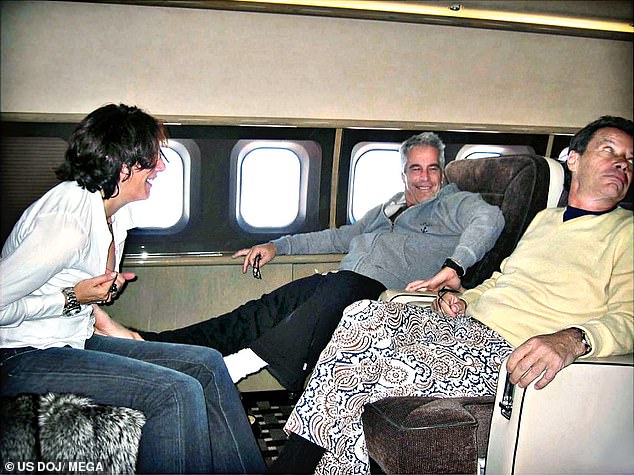
The Epstein network spanned continents, private jets, and powerful circles. Every new disclosure reopens questions about who was on those planes, what they saw, and how much they chose not to ask.
For King Charles, the calculations are brutal. Any move that appears to rehabilitate his brother risks dragging the monarchy back into a scandal that much of the public would prefer to leave behind. Any hint that public funds might have been used, even indirectly, to shore up the settlement would be even more damaging. That is why clarification about the true source of the money matters so much, even years after the deal was signed.
Until those questions are answered with something more concrete than anonymous briefings and tabloid exclusives, Prince Andrew’s future will likely remain exactly where it is now: off stage, in the long shadow of a secretive agreement that the world has never fully seen.
Join the Discussion
Do you think clearer answers about who funded Prince Andrew’s settlement would change how you view the royal family, or has the damage to their reputation already been done?