



In the space of a single winter night, Nancy Guthrie went from beloved 84-year-old mother and grandmother to the unseen center of a nationwide anxiety. Her daughter, morning television mainstay Savannah Guthrie, is now living every family’s unthinkable storyline in real time.
TLDR
Authorities and hostage specialists say making Nancy Guthrie’s kidnapper feel traceable, then offering leniency, together with following bitcoin’s digital trail, may be the most realistic path to bringing the 84-year-old home alive.
Inside a Family’s Worst Nightmare
According to Page Six, Nancy Guthrie was taken from her Tucson-area home against her will in late January. The 84-year-old, described as active and deeply devoted to her family, never showed up for the next day’s plans. Loved ones quickly realized something was terribly wrong.

Investigators later revealed that an alleged ransom note demanded $6 million in bitcoin in exchange for her safe return, split into two payment deadlines in early February. The demand pulled this quiet Arizona life straight into the harsh glare of a high-tech kidnapping, where love, money, and time are all on the line.
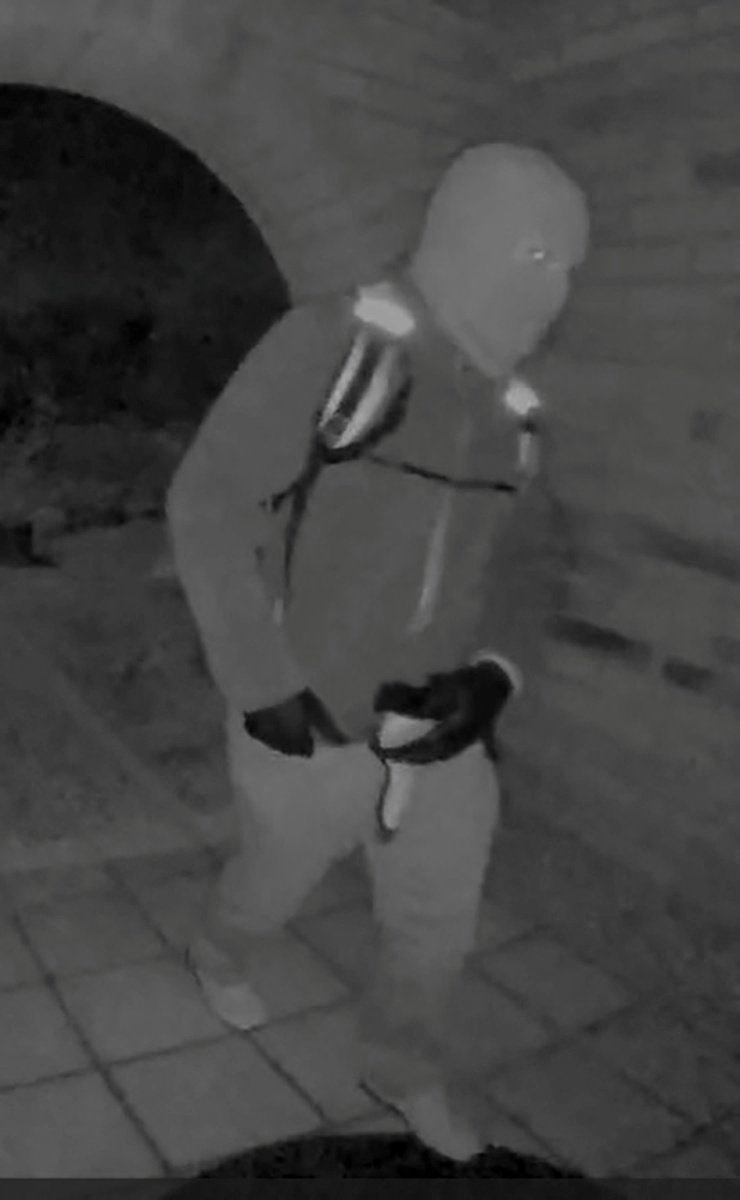
Authorities have released surveillance footage of a suspect they want to question. The man is described as having an average build and standing between 5 foot 9 and 5 foot 10 tall. In the video, officials say he is carrying a black backpack identified as an “Ozark Trail Hiker Pack”. Investigators have also increased the reward to $100,000 for information that helps find Nancy or leads to the arrest and conviction of anyone involved in her disappearance.
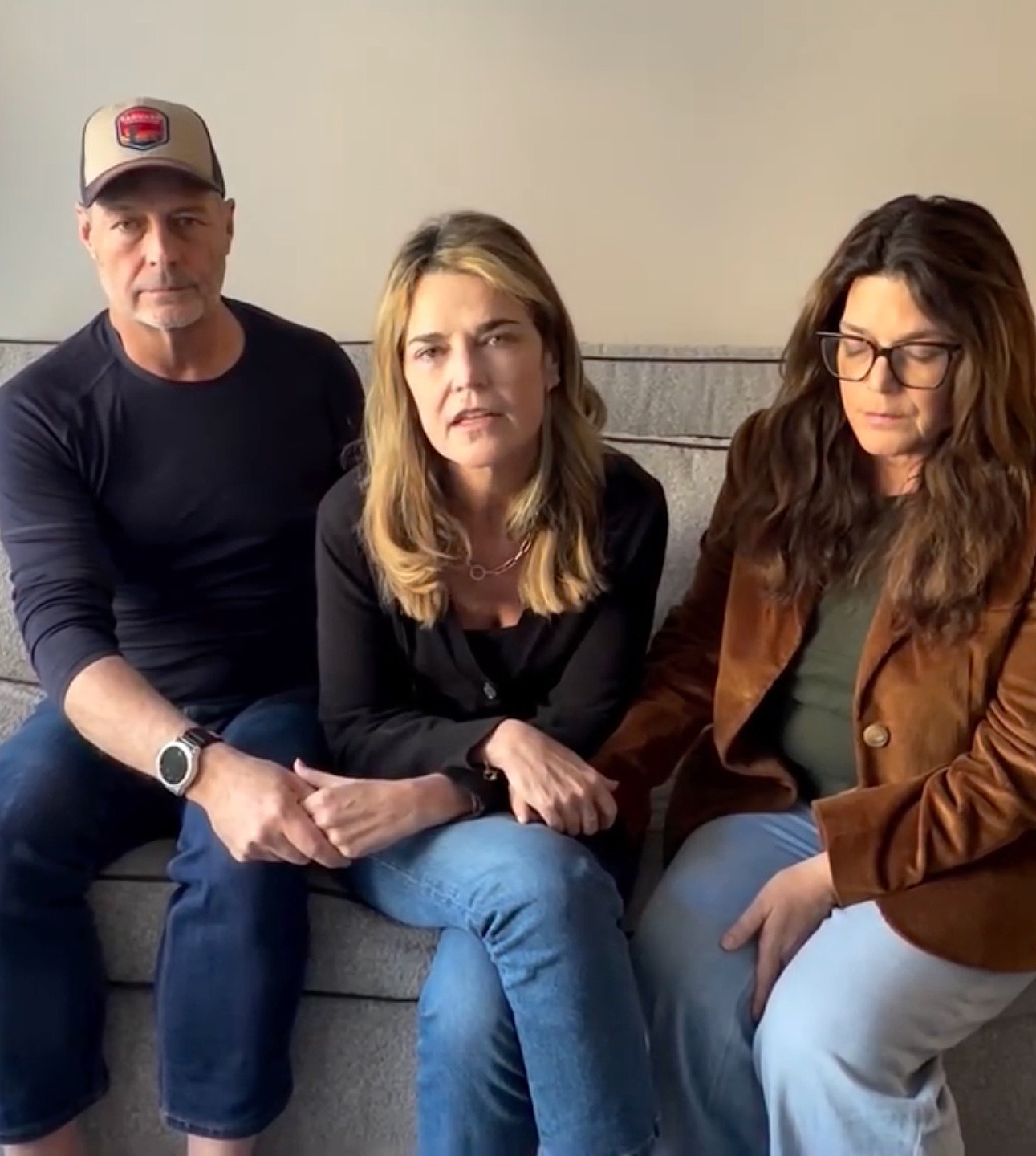
For Savannah Guthrie, who is used to delivering breaking news, this is now her own family’s headline. She and her siblings released a video message addressed directly to the kidnapper, saying they were prepared to pay but needed proof that Nancy is still alive. It was a rare moment when a polished television presence chose vulnerability over distance and invited the public into a private crisis.
The Strategy Hostage Experts Recommend
Behind the scenes, experts in hostage negotiation are watching this case with intense focus. Page Six spoke with Rami Igra, a former Israeli intelligence official and past head of the Prisoners, Hostages and Missing Persons Division for Mossad, who laid out a strategy that runs counter to every instinct for punishment.
Igra believes authorities may eventually need to consider offering the kidnapper a form of immunity or reduced consequences, not as mercy, but as leverage. He explained that the turning point comes when investigators can show the abductor that escape is no longer guaranteed. “The minute the kidnapper understands that they are traceable, the authorities should come forward and say that they are willing to negotiate a deal,” he told the outlet. The concept is brutal in its simplicity. Less money, fewer guarantees for the criminal, but a possible path to safety for Nancy.
In his view, the psychological pressure is everything. As he put it, “The kidnapper will not discuss anything unless they are somehow threatened.” Until that moment, Igra said, the person holding Nancy will likely have only one message to deliver: money or nothing. The challenge for law enforcement is to carefully let the kidnapper know that investigators are closing in, without provoking panic or reckless violence.
It is a chilling equation. On one side are legal consequences, public safety, and the principle that crimes like this cannot be rewarded. On the other is the life of an 84-year-old woman and the emotional future of a family whose faces America already knows. In that narrow gap between justice and mercy, negotiators try to find a sentence that ends with a safe return rather than a tragic coda.
Bitcoin Trail and Digital Clues
The ransom note’s demand for bitcoin pushes this case straight into the digital age. For years, cryptocurrency has been marketed as anonymous money, a favorite of both tech idealists and criminals. But experts now say that myth is increasingly outdated, especially when law enforcement and blockchain specialists are involved.
In Nancy’s case, Page Six reports that the bitcoin wallet tied to the ransom demand sat empty until a small transaction appeared. Around $152 worth of bitcoin was deposited into the address, a fraction of the multimillion-dollar sum demanded, but potentially a massive shift in the investigative landscape.
Cryptocurrency expert Bezalel Eithan Raviv told the outlet that once any funds move, the balance of power can begin to change. “If this wallet has now received funds, the dynamic shifts,” he explained. “The person demanding ransom may believe they are in control, but once a transaction is made, they become the one being watched.”
Investigators can use blockchain forensics, following the path of that $152 as it jumps between addresses and exchanges. Combined with traditional detective work, such as analyzing surveillance footage, interviewing potential witnesses, and building a timeline around Nancy’s disappearance, the digital trail offers a new kind of hope. It is not the cinematic drama of a briefcase drop, but a slow, meticulous tracing of numbers across a public ledger that never forgets.
Public Pleas and Private Stakes
While specialists dissect bitcoin flows and negotiation strategies, the human story remains painfully simple. A daughter who has spent years on camera connecting with millions of viewers is now speaking not as a host, but as a child begging for her mother’s life. Savannah Guthrie’s video plea with her siblings underscored that they are prepared to comply with the ransom demand if they can see proof that Nancy is alive.
That detail is more than emotional. Proof of life is a cornerstone of responsible hostage response, a way to confirm that the person at the center of all this fear is still there to be saved. It is a harsh but necessary pause before any transfer of money that could otherwise vanish into the digital ether, leaving a family with nothing but unanswered questions.
In Tucson and far beyond, people are studying the grainy suspect image, the description of the backpack, and the notes from authorities, hoping that some small observation might matter. For investigators, every detail is a possible thread. The black “Ozark Trail Hiker Pack”, the way the suspect walks on camera, the timing of that first tiny bitcoin deposit, all combine into a picture that could eventually have a name and an address.
For now, the stakes sit in a fragile balance. Experts like Rami Igra argue that a carefully managed offer of leniency, timed to the moment the kidnapper feels truly cornered, could bring Nancy Guthrie home. The digital trail written in bitcoin, the public reward, and a daughter’s televised plea all press toward the same quiet hope: that this story can still shift from disappearance to return.
Join the Discussion
When a case like this unfolds in public, how do you feel families and authorities can share enough to help an investigation without turning a private nightmare into a public spectacle?